2026 Top Construction Machinery and Equipment Trends to Watch?
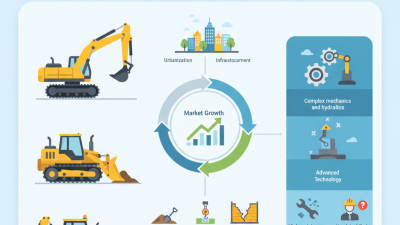
The construction machinery and equipment sector is undergoing significant transformation. According to MarketsandMarkets, the global construction equipment market is expected to grow from $191 billion in 2020 to $251 billion by 2026. This shift emphasizes the rising demand for advanced machinery driven by urbanization and infrastructure projects.
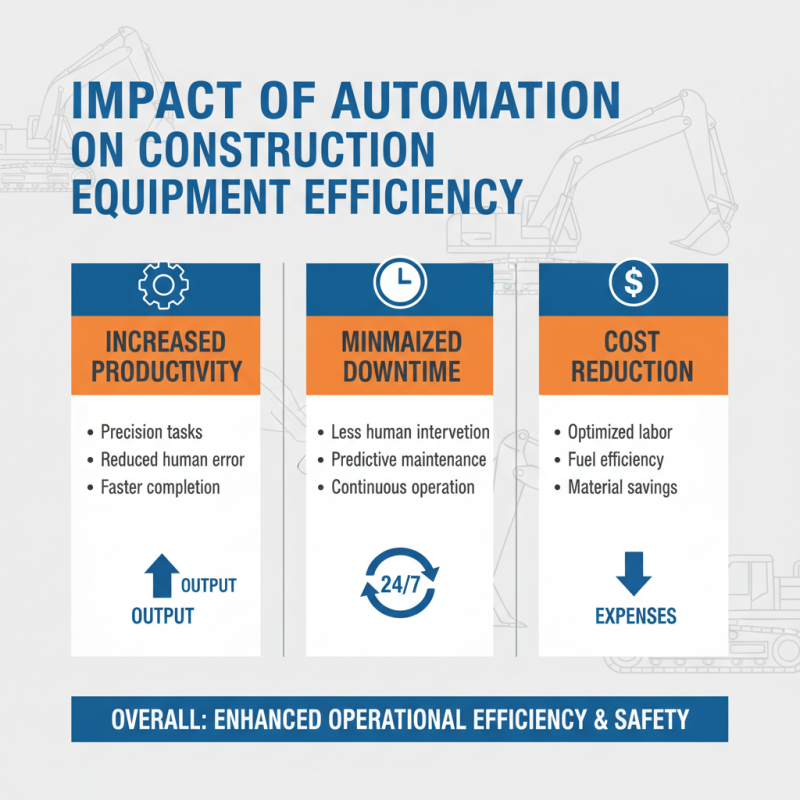
Emerging technologies such as automation and AI are continuously changing the landscape. A report by McKinsey indicates that productivity in construction could increase by up to 15% with the adoption of digital tools. However, the industry faces challenges such as labor shortages and the need for sustainable practices.
Understanding these trends is crucial for stakeholders. Keeping an eye on these advancements is vital for staying competitive. Construction machinery and equipment will play an essential role in shaping the future landscape of construction. Each innovation presents an opportunity for growth and improvement, but also demands reflection on implementation strategies and workforce adaptability.

Emerging Technologies in Construction Machinery for 2026
The construction machinery industry is rapidly evolving, driven by emerging technologies. In 2026, advancements in automation and robotics will reshape how projects are executed. A recent report by Global Market Insights predicts the market for robotic construction equipment will exceed $6 billion by 2026. This shift could enhance efficiency but may also lead to job displacement, raising questions on workforce adaptation.
Another significant trend is the integration of IoT (Internet of Things) in construction machinery. Smart sensors can monitor equipment performance in real-time, reducing downtime. According to a report from McKinsey, companies adopting IoT in machinery could see productivity gains of up to 30%. However, this reliance on technology brings challenges, such as data security concerns. Companies must ensure robust cybersecurity measures are in place.
Sustainability is also driving innovation. By 2026, eco-friendly machinery designs will become standard. Research from the International Energy Agency indicates that sustainable equipment can reduce carbon emissions by up to 50%. While these technologies pose higher initial costs, their long-term savings could promote wider adoption. Transitioning to green options will require significant investment and strategic planning.
2026 Top Construction Machinery and Equipment Trends
This chart illustrates the anticipated growth in various emerging technologies within the construction machinery sector by 2026, showcasing trends in automation, sustainability, and digital integration.
Trends in Sustainable Construction Equipment and Environmental Compliance
Sustainable construction equipment is rapidly evolving. In 2026, the focus will shift towards eco-friendly materials and energy-efficient designs. Companies are beginning to recognize the need for compliance with strict environmental regulations. The trend is pushing manufacturers to innovate in their machinery designs.
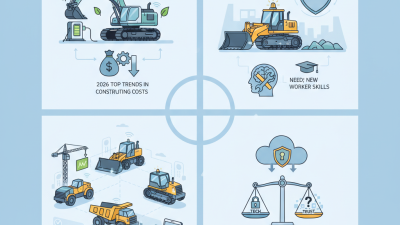
Electric machinery is gaining traction. It reduces noise pollution and emissions significantly. This shift helps construction sites meet green building standards. However, challenges remain. Many workers are not adequately trained to operate this new technology. Training programs must evolve to bridge this gap.
Another key area is the use of recyclable materials. Construction tools are now being made from materials that can be repurposed. This approach minimizes waste. However, not all companies are ready to make this transition. There is resistance due to upfront costs and a lack of awareness. Companies must find ways to integrate sustainability while balancing budgets.
Influence of Industry 4.0 on Machinery Maintenance and Operations
As Industry 4.0 continues to shape various sectors, its impact on machinery maintenance and operations is profound. The integration of IoT devices and AI systems allows real-time monitoring of construction equipment. In fact, a recent report revealed that predictive maintenance can reduce machinery downtime by 30%. This shift enhances operational efficiency and decreases repair costs significantly.
Advanced data analytics enable precise forecasting of machinery failures. Maintenance can now be scheduled based on actual usage rather than generic timelines. This adaptive approach can save up to 25% in maintenance costs. However, reliance on technology raises concerns about cybersecurity threats. The industry needs to address vulnerabilities as the interconnectedness of equipment increases.
Despite the benefits, the path to a fully digitalized operation poses challenges. Many companies struggle with integrating new technologies into existing systems. There is a notable skills gap, as many workforce members are not adequately trained for these advanced tools. Addressing these issues is crucial for leveraging the full potential of Industry 4.0 in construction machinery and equipment.
Market Forecasts and Investment Opportunities in Construction Equipment
The construction machinery and equipment market is evolving rapidly. As we approach 2026, it is essential to identify key investment opportunities. Analysts predict a significant rise in demand for eco-friendly and energy-efficient machinery. This trend aligns with global sustainability goals. Companies are now looking for equipment that reduces emissions and lowers fuel consumption.
Investors should pay attention to automation and AI integration trends. These technologies enhance productivity and safety on job sites. However, the adoption of advanced machinery poses challenges. Not all companies have the resources to transition smoothly. Training workers to operate new equipment is essential. This transition period can be a bit rocky, requiring time and investment.
The market is also witnessing a shift toward rental equipment. This approach allows smaller firms to compete without heavy upfront costs. Still, relying solely on rentals may hinder long-term growth. As the market matures, balancing ownership and rental strategies becomes crucial for success. These dynamics create a complex landscape, requiring careful analysis and foresight.
2026 Top Construction Machinery and Equipment Trends to Watch
| Trend |
Description |
Investment Opportunity |
Market Forecast (2026) |
| Electric Machinery |
Growing demand for sustainable construction practices drives the adoption of electric machinery. |
High potential for innovation in battery technologies and electric vehicle integration. |
Estimated growth of 25% in market value by 2026. |
| Automation and Robotics |
Increased use of robotics for tasks in construction sites to enhance efficiency and safety. |
Opportunities in developing autonomous construction solutions. |
Projected market growth of 30% by 2026. |
| 3D Printing |
Increasing use of 3D printing for creating components and structures rapidly and cost-effectively. |
Investment in material science and printer technology development. |
Expected market increase of 20% by 2026. |
| Telematics |
Advanced tracking and data analysis for machine performance and logistics optimization. |
Growing opportunity in software development for analytics and connectivity solutions. |
Market forecast growth of 15% by 2026. |
| Sustainable Materials |
Rising focus on eco-friendly materials in construction to meet regulations and consumer preferences. |
Investing in research and development of new sustainable material options. |
Anticipated growth of 18% in the sustainability sector by 2026. |