Choosing the China Best Heavy Machinery Moving Equipment Supplier? The answer depends on your load, route, floor condition, and project risk. A reliable supplier should offer more than attractive catalog prices. It should understand how a 120-ton transformer moves across a narrow factory bay. It should also explain turning limits, axle loads, ramp gradients, and required operator skills.
This guide examines China’s heavy machinery moving equipment suppliers through practical purchasing criteria. We will compare hydraulic skidding systems, machinery skates, gantry cranes, modular transporters, and related lifting tools. Strong suppliers provide load calculations, material certificates, inspection records, and clear operating manuals. They should support factory testing before shipment. Photos help, but witnessed testing gives better confidence.
Details matter. A steel wheel may damage polished concrete. A hydraulic jack may lift the load but lack safe lateral control. A low quotation may exclude spare seals, training, packaging, or commissioning support. These gaps can become expensive on site. Not every supplier fits every project. That is worth admitting. Even experienced buyers can overlook floor loading or doorway clearance during early planning.
The most dependable partners communicate limits honestly. They ask for drawings, load centers, travel distances, and working temperatures. They recommend suitable capacities without exaggerating performance. This article will help buyers assess technical capability, manufacturing quality, delivery reliability, certifications, and after-sales service before selecting a Chinese supplier. The goal is practical confidence, not a perfect-sounding promise.
Heavy machinery moving equipment includes tools used to lift, support, steer, and position large industrial loads. Common examples include hydraulic toe jacks, machinery skates, lifting gantries, winches, and air casters. Each tool solves a different movement problem. Jacks raise the load. Skates carry it across prepared floors. Gantries lift equipment where cranes cannot work safely.
In plant relocation projects, operators often combine several tools. A hydraulic jack may lift a machine only a few centimeters. Skates then carry it over steel plates or reinforced concrete. The correct equipment depends on load weight, center of gravity, floor capacity, doorway height, and travel distance. Measurement matters. Guesswork can damage both machinery and flooring. A reliable supplier should provide load charts, operating instructions, inspection guidance, and technical support. Equipment quality also depends on welds, hydraulic seals, wheel materials, and control precision.
Tips: Check the machine’s actual weight before selecting equipment. Inspect jacks, hoses, wheels, and pins before use. Keep the route clean and level. Assign one trained person to direct the movement. Never stand beneath a suspended load. Small oversights become expensive quickly. A perfect plan rarely survives the first movement, so pause when conditions change and review the setup.
China Best Heavy Machinery Moving Equipment Supplier?
Key Equipment Types and Their Industrial Uses
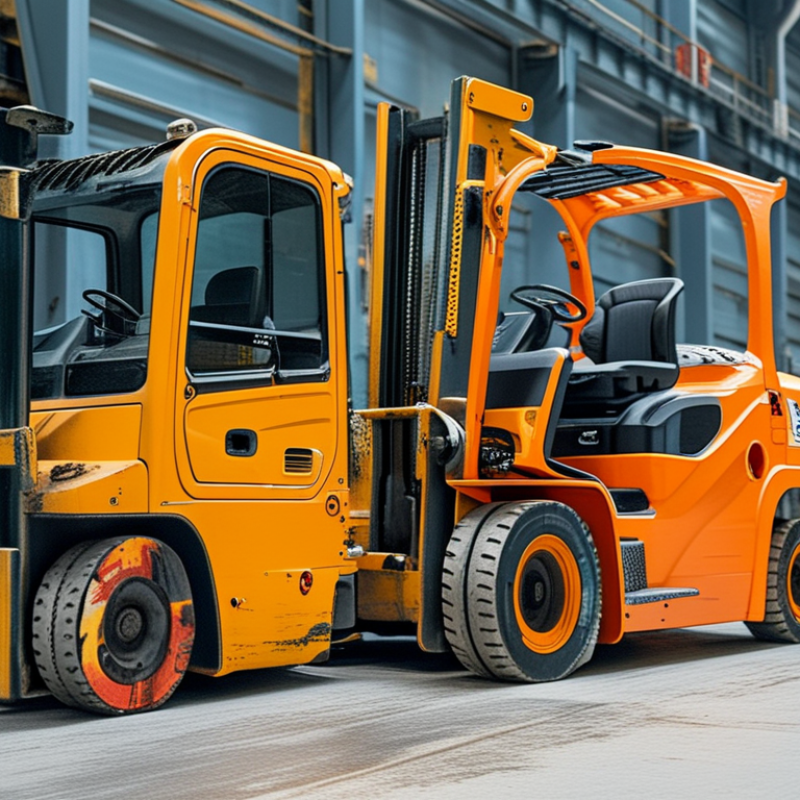
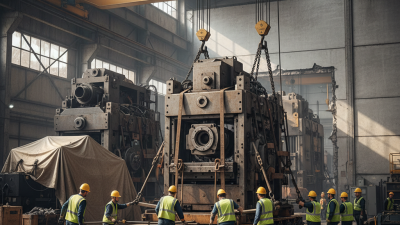
Heavy machinery moving begins with load analysis, not a catalog photo. Hydraulic gantries lift transformers, pressure vessels, and factory modules in restricted spaces. Self-propelled modular transporters move oversized structures across yards and uneven industrial routes. Heavy-duty forklifts suit shorter transfers, but they need reinforced floors and clear turning paths. Air casters reduce floor friction for indoor machinery relocation, although dust and uneven surfaces can reduce performance.
The MHI 2024 Annual Industry Report identifies rising investment in automation and material-handling technology across supply chains. This supports demand for remote-controlled transporters and digitally monitored lifting systems. OSHA estimates that forklifts cause about 85 workplace fatalities and 34,900 serious injuries annually in the United States. That figure makes capacity checks, operator training, and exclusion zones practical requirements, not optional features. Small mistakes become expensive.
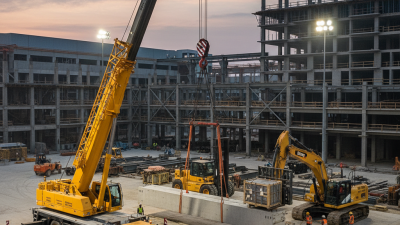
For a China-based supplier, technical reliability should include load charts, wheel-load calculations, hydraulic safety margins, and inspection records. A gantry rated for 600 tonnes may still fail a project if the ground bearing capacity is unknown. I would request test certificates, maintenance procedures, and clear spare-parts plans before comparing prices. The Global Mobile Cranes Market report by Research and Markets also links infrastructure expansion with continued lifting-equipment demand, but market forecasts cannot replace a site survey. A perfect catalog choice rarely exists. Conditions decide.
| Equipment Type | Typical Rated Capacity | Primary Movement Method | Key Technical Features | Typical Industrial Uses | Common Load Types | Important Selection Factors |
|---|---|---|---|---|---|---|
| Hydraulic Gantry System | 60–1,000+ tonnes | Hydraulic lifting with synchronized vertical movement | Modular towers, hydraulic cylinders, adjustable lifting height, remote control operation, and high positioning accuracy | Heavy plant installation, bridge component positioning, power-generation projects, shipyard work, and industrial relocation | Transformers, pressure vessels, generators, turbines, steel structures, and large machinery | Load distribution, available headroom, ground bearing capacity, lifting height, synchronization accuracy, and site access |
| Self-Propelled Modular Transporter (SPMT) | 40–10,000+ tonnes, depending on configuration | Independent electric or hydraulic drive through modular axle lines | Multi-axle modular design, precise steering, low deck height, electronic control, and 360-degree maneuverability | Refinery construction, petrochemical projects, bridge construction, shipbuilding, offshore fabrication, and power plants | Modules, reactors, bridge sections, offshore structures, ship blocks, and oversized industrial equipment | Total load and center of gravity, route geometry, turning radius, floor strength, deck height, and required steering modes |
| Hydraulic Platform Trailer | 50–500+ tonnes | Tractor-towed transport with hydraulic suspension and steering | Hydraulic load leveling, adjustable platform height, multiple axle lines, and improved stability on uneven surfaces | Factory relocation, infrastructure projects, bridge beam transport, construction equipment delivery, and industrial logistics | Boilers, tanks, transformers, steel frames, concrete beams, and construction machinery | Road regulations, axle-load limits, route clearance, towing capacity, load dimensions, and braking requirements |
| Heavy-Duty Machine Skates | 3–200 tonnes per skate set | Manual or powered movement on rollers or wheels | Low-profile construction, modular load capacity, replaceable rollers, steerable designs, and compact turning capability | Indoor factory moves, machinery installation, maintenance shutdowns, warehouse handling, and workshop relocation | Machine tools, presses, motors, pumps, compressors, switchgear, and production lines | Floor flatness, surface cleanliness, load balance, starting force, turning space, and protection of finished flooring |
| Hydraulic Toe Jack | 5–100 tonnes per jack | Hydraulic lifting from a low clearance point | Low toe height, compact body, overload protection, controlled lowering, and high lifting force in restricted spaces | Positioning of industrial machines, rail maintenance, structural installation, equipment leveling, and plant maintenance | Machine bases, steel frames, skids, rail components, and heavy maintenance assemblies | Minimum clearance, lifting points, base stability, synchronized operation, hydraulic pressure, and safe lowering speed |
| Machine Moving Skid System | 20–500 tonnes | Low-friction skidding over prepared tracks | Modular skid shoes, hydraulic push-pull units, high load stability, low overall height, and controlled horizontal movement | Heavy equipment installation, refinery maintenance, power-station construction, plant expansion, and confined-area moves | Transformers, vessels, turbines, reactors, structural modules, and large production equipment | Track alignment, surface preparation, friction coefficient, pushing force, route length, and load restraint |
| Air Caster Transport System | 10–500 tonnes, based on caster configuration | Air film generated between the caster and a smooth floor | Near-zero rolling resistance, multi-directional movement, low floor loading, and clean indoor operation | Clean manufacturing, aerospace assembly, electrical equipment production, laboratories, and precision plant relocation | Dies, cabinets, machine tools, production lines, cleanroom equipment, and precision assemblies | Floor smoothness, air supply, surface sealing, load distribution, indoor clearance, and floor cleanliness |
| Industrial Forklift | 2–50 tonnes | Powered forks for lifting and short-distance transport | Counterbalanced design, hydraulic mast, adjustable forks, solid or pneumatic tires, and operator protection systems | Warehousing, manufacturing, loading docks, steel service centers, construction sites, and material handling | Palletized goods, steel coils, crates, machinery components, containers, and packaged materials | Load center, mast height, aisle width, floor condition, fuel or battery type, visibility, and rated capacity at height |
| Rough-Terrain Forklift | 3–20 tonnes | Powered lifting with large pneumatic tires and high ground clearance | Four-wheel drive, articulated or rigid chassis, telescopic mast options, and improved performance on uneven ground | Infrastructure construction, outdoor plant installation, bridge projects, building sites, and remote industrial locations | Structural steel, pipes, concrete products, pallets, cables, and construction materials | Terrain slope, ground bearing capacity, tire selection, load center, lifting height, weather conditions, and site visibility |
| Crawler Transporter | 50–1,000+ tonnes | Tracked propulsion with hydraulic suspension or load platform | Low ground pressure, high stability, large payload platform, independent track control, and operation on prepared terrain | Wind-energy projects, bridge construction, shipyard operations, mining, infrastructure development, and modular construction | Wind-turbine components, bridge sections, tunnel equipment, heavy modules, and mining machinery | Ground pressure, route gradient, turning area, platform dimensions, obstacle clearance, and travel speed |
| Heavy Lift Crane | 50–5,000+ tonnes, depending on crane class | Wire-rope lifting through a boom, gantry, or tower structure | Variable lifting radius, high-hook height, rigging flexibility, load moment monitoring, and controlled vertical placement | Power plants, wind farms, shipyards, bridge construction, petrochemical facilities, and major infrastructure projects | Generators, boilers, towers, bridge segments, vessels, structural modules, and heavy machinery | Load chart, working radius, wind speed, ground preparation, crane configuration, lifting plan, and exclusion zones |
| Electric Winch and Pulling System | 5–100 tonnes of line pull | Motor-driven cable or rope pulling | Variable pulling speed, remote control, mechanical braking, overload protection, and compact installation footprint | Equipment positioning, shipbuilding, cable installation, industrial assembly, skid movement, and controlled loading operations | Machinery skids, cable reels, steel sections, vessels, rail equipment, and heavy components | Required line pull, rope length, anchorage strength, pulling angle, duty cycle, power supply, and emergency braking |
| Hydraulic Strand Jacking System | 100–10,000+ tonnes per system | Incremental lifting using hydraulic cylinders and steel strands | Long lifting stroke, synchronized multi-point control, high lifting height, and precise load monitoring | Bridge launching, roof installation, offshore construction, heavy module lifting, and infrastructure replacement | Bridges, roofs, towers, offshore modules, large vessels, and structural assemblies | Anchor design, strand arrangement, lifting points, synchronization tolerance, wind conditions, and temporary support |
| Modular Hydraulic Lifting Jack | 50–1,000+ tonnes per lifting point | Hydraulic cylinder lifting with synchronized control | High load capacity, compact modular layout, programmable lifting cycles, load-cell monitoring, and controlled descent | Bridge replacement, building relocation, heavy equipment installation, ship repair, and industrial maintenance | Buildings, bridges, vessels, generators, transformers, and large structural frames | Number and location of lifting points, load sharing, stroke length, foundation strength, control accuracy, and backup supports |
China Best Heavy Machinery Moving Equipment Supplier?
How to Evaluate a Chinese Equipment Supplier
Choosing a Chinese heavy machinery moving equipment supplier requires more than comparing quotations. During supplier reviews, I examine factory capacity, engineering drawings, weld quality, and testing records. Ask for the rated load, safety factor, wheel material, turning radius, and floor requirements. A serious supplier explains these details clearly. Request photos of completed units, not only polished catalog images. Better evidence includes inspection reports, serial-number records, independently verified certificates, and customer references from similar industries. Small details matter.
Tips: Visit the production site, physically or through live video. Watch a load test. Ask who signs the final inspection report. Confirm replacement parts, training, and technical support after delivery.
A reliable evaluation also checks communication under pressure. Send a realistic layout with aisle widths, ramp gradients, and load dimensions. See whether the supplier identifies risks before proposing equipment. Engineers should explain braking, steering, battery protection, and emergency controls in practical language. Review drawings carefully, because one missing dimension can delay installation. I have seen buyers focus on the lowest price and overlook commissioning time. That mistake can become expensive. Still, experience is not perfect. Record every assumption, then revise it after a site trial.
The chart presents a practical 100-point supplier evaluation model for heavy machinery moving equipment. Product safety and engineering quality receive the highest weighting, followed by load capacity, delivery reliability, after-sales support, compliance documentation, and total cost. Buyers should adjust the weighting according to project risks, lifting requirements, site conditions, and local regulations.
Manufacturing standards reveal a supplier’s real capability. For heavy machinery moving equipment, buyers should request load-test records, material certificates, welding procedures, and traceable serial numbers. ISO 12100 supports systematic machinery risk assessment, while ISO 9001 emphasizes controlled processes and corrective action. The ISO Survey 2023 recorded more than 1.26 million ISO 9001 certificates worldwide, showing how widely documented quality systems are used.
Customization matters because factory floors rarely match catalog drawings. A supplier may adapt hydraulic jacks for uneven concrete, increase wheel capacity, or design low-profile skates for narrow gaps. Each change should include revised calculations and a new inspection plan. The U.S. Bureau of Labor Statistics reported 1,069 fatal work injuries in transportation and material-moving occupations during 2022. That figure is not specific to machinery movers, but it reinforces the need for engineered handling procedures.
Quality control must continue beyond final assembly. Inspectors should verify weld dimensions, hydraulic leakage, brake performance, rated capacity, and emergency-stop operation. Test results should identify the equipment number and actual test load. No factory is perfect. A supplier that openly records defects, reworks, and customer feedback may be more reliable than one claiming zero problems. Factory acceptance testing, operator training, and clear maintenance intervals also reduce uncertainty after delivery. Forgetting site conditions remains a common mistake. Floor strength, turning radius, overhead clearance, and weather exposure can change the safe working capacity.
China Best Heavy Machinery Moving Equipment Supplier?
Shipping, Installation, Maintenance, and After-Sales Support
Selecting a heavy machinery moving equipment supplier requires more than comparing prices. Experienced suppliers should understand loading limits, route restrictions, lifting points, and destination conditions. Before shipment, technical teams can verify equipment dimensions, center of gravity, packaging strength, and required accessories. Details matter. A clear packing list reduces delays at the port and during site receiving.
Installation should follow a documented procedure, supported by trained technicians and practical tools. Teams need to check ground conditions, alignment, hydraulic connections, braking systems, and emergency controls. On-site guidance is valuable when local operators have limited experience. However, installation plans are never perfect. Unexpected floor damage or restricted access may require careful adjustment. Suppliers should explain these risks honestly, rather than promise effortless setup.
Maintenance support keeps moving equipment reliable after commissioning. Recommended service schedules should cover lubrication, battery condition, wheel wear, hydraulic hoses, control panels, and load-testing records. Remote troubleshooting can help, but some faults require on-site inspection. After-sales support should include responsive communication, spare-parts planning, service documentation, and operator training. Small delays grow. A dependable supplier records recurring problems and improves future designs. Regular feedback from users also reveals weaknesses that factory testing may miss.