How to Choose the Best Electric Construction Equipment?
Electric construction equipment is gaining popularity in the industry. Many construction companies are shifting towards electric models. According to a report by ResearchAndMarkets, the electric construction equipment market is expected to grow significantly by 2026, driven by environmental regulations and increasing energy costs.
As the demand for sustainable construction practices rises, choosing the right electric construction equipment becomes crucial. Factors such as performance, battery life, and maintenance requirements need careful consideration. For instance, the efficiency of electric diggers or excavators can dramatically impact project timelines. However, there are challenges. Some equipment may not yet match the power of their diesel counterparts.
It's essential to weigh these aspects before making a decision. All equipment may not be suited for every project. Ask questions about charging infrastructure and warranty conditions. Each piece of electric construction equipment has its merits and drawbacks. Reflecting on these elements can help make informed choices that align with industry trends and project needs.
Understanding the Types of Electric Construction Equipment Available
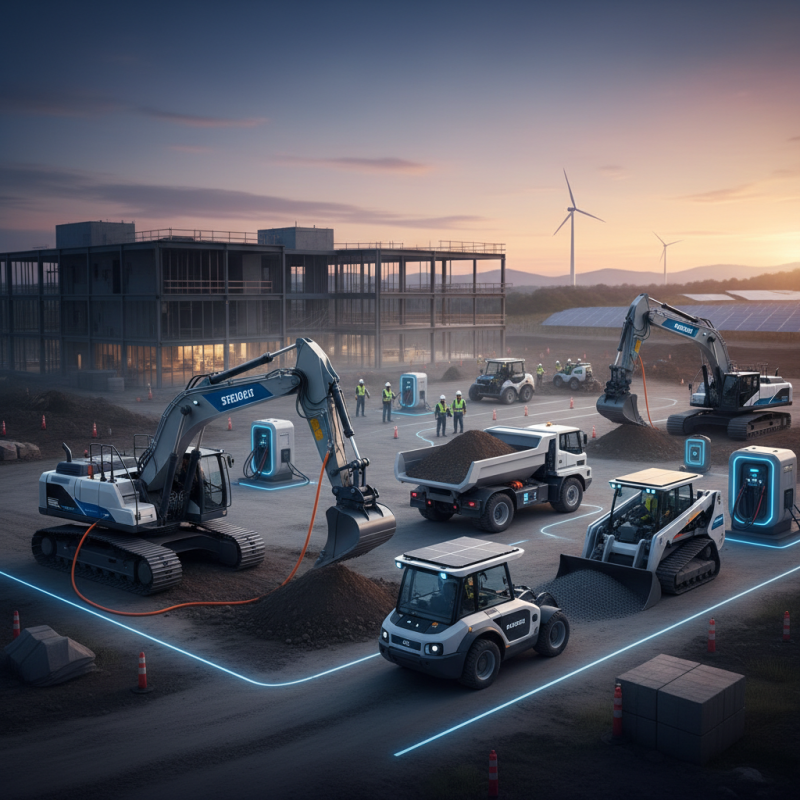
Electric construction equipment is transforming the industry. Understanding the types available is crucial for effective usage. Common options include electric excavators, loaders, and forklifts. These machines reduce emissions significantly, resulting in a cleaner worksite. According to a recent industry report, electric equipment can lower operational costs by around 40%.
Electric excavators tend to be quieter, which helps with urban projects. They are versatile but require careful consideration of battery life. Shorter runtimes may hinder productivity on larger sites. Electric forklifts, on the other hand, are favored for indoor operations. Their compact size and efficient handling make them ideal for warehouses. However, ensuring adequate charging facilities is vital.
While the initial investment may seem high, benefits often outweigh costs over time. Electric equipment offers sustainability, but many operators find training is necessary. Workers may not be familiar with these technologies. As electric construction equipment continues to evolve, challenges in adoption remain. Balancing performance with sustainability needs ongoing reflection from all stakeholders.
Evaluating Performance Metrics for Electric Construction Equipment
When evaluating performance metrics for electric construction equipment, it’s crucial to focus on efficiency, power output, and battery life. A recent industry report indicates that electric equipment can deliver up to 30% more efficiency compared to traditional diesel machines. This increased efficiency translates to reduced operational costs, making electric options more attractive over time.
Battery technology plays a crucial role in performance metrics. Some modern electric machines have batteries that last over eight hours on a single charge. However, factors like load size and working conditions can impact this. Always consider whether the battery life meets your specific project needs.
Tips: Assess your project's demands. Short jobs might not require lengthy battery life. If you work on larger sites, consider battery swapping capabilities to minimize downtime. Testing different models on job sites is essential before making a commitment. An assessment of real-world performance can help avoid costly mistakes.
Performance Metrics for Electric Construction Equipment
Considering Energy Efficiency and Sustainability Features
When selecting electric construction equipment, energy efficiency and sustainability are crucial factors. Research from the U.S. Department of Energy indicates that electric equipment can reduce energy consumption by up to 50% compared to their diesel counterparts. This significant reduction not only saves costs but also minimizes the environmental impact of construction activities.
Consider battery-operated tools and machines. They typically produce fewer greenhouse gas emissions. The Electric Power Research Institute reports that a shift to electric machinery could cut carbon emissions in the construction sector by nearly 30% within the next decade. However, challenges exist, such as the initial investment cost and the need for a robust charging infrastructure. It's important to weigh these factors against long-term savings and environmental benefits.
The lifespan and recycling capability of batteries also matter. Many batteries can last several years, yet their disposal can pose environmental risks. Transitioning to electric construction equipment is not entirely straightforward. Addressing these challenges requires a comprehensive evaluation. Gradually incorporating more efficient tools into operations can ease the transition while improving sustainability practices.
Budgeting for Purchase and Maintenance of Electric Construction Equipment
When budgeting for electric construction equipment, it's vital to consider both purchase and ongoing maintenance costs. A report from the Electric Power Research Institute suggests that electric equipment can reduce operational expenses by 30% compared to traditional options. However, the upfront investment for electric models can be significantly higher. Operators must weigh these costs carefully.
Maintenance is another layer to consider. A study from the International Energy Agency highlights that electric equipment typically requires less maintenance than diesel counterparts. Still, parts and specialized services can be expensive. For instance, battery replacements can cost thousands. It’s crucial to factor in these potential expenses when planning a budget.
Moreover, the charging infrastructure can add hidden costs. Without sufficient charging stations, work delays could occur. This might necessitate higher operational budgets to manage site logistics. A recent report noted that companies often overlook this in their initial budgeting phase. Understanding these financial implications is essential for making informed decisions.
How to Choose the Best Electric Construction Equipment? - Budgeting for Purchase and Maintenance of Electric Construction Equipment
| Equipment Type |
Initial Purchase Cost (USD) |
Annual Maintenance Cost (USD) |
Operating Cost per Hour (USD) |
Lifespan (Years) |
| Electric Excavator |
$100,000 |
$2,500 |
$15 |
10 |
| Electric Loader |
$85,000 |
$2,000 |
$12 |
8 |
| Electric Forklift |
$50,000 |
$1,200 |
$10 |
7 |
| Electric Dump Truck |
$120,000 |
$3,000 |
$18 |
12 |
| Electric Scissor Lift |
$30,000 |
$800 |
$8 |
6 |