
How to Choose the Best Carport Canopy for Your Needs?

Choosing the right Carport Canopy is not simply about finding the largest shelter at the lowest price. Your vehicle, property, climate, and daily routine should guide the decision. A compact sedan needs different clearance than a pickup truck with roof storage. Measure the vehicle’s height, length, and door-opening space before comparing products. Add room for walking around it. Tight spaces become frustrating quickly.

Weather conditions matter just as much. A canopy used in a dry, calm region may need lighter materials than one exposed to heavy rain, snow, or strong coastal winds. Check the manufacturer’s fabric thickness, frame construction, drainage design, and recommended anchoring method. Steel frames often provide dependable strength, while treated fabrics can offer useful protection from sunlight and moisture. However, product descriptions are not always complete. Confirm the actual dimensions and load ratings.

Installation experience also deserves attention. Uneven ground, soft soil, and nearby trees can affect stability and maintenance. Inspect the proposed location after rainfall, not only on a bright afternoon. Water may collect beneath the canopy and weaken the ground around anchors. Local property rules may also influence placement, height, or distance from boundaries, so verify current requirements with the appropriate authority.

A reliable choice balances protection, durability, access, and budget. Cheap options can look attractive. They may require earlier replacement. No single model suits every driveway, and even careful planning can miss something. Use verified specifications, examine warranty terms, and consider how the canopy will perform after months of real weather. The best decision is practical, measured, and suited to your actual property.
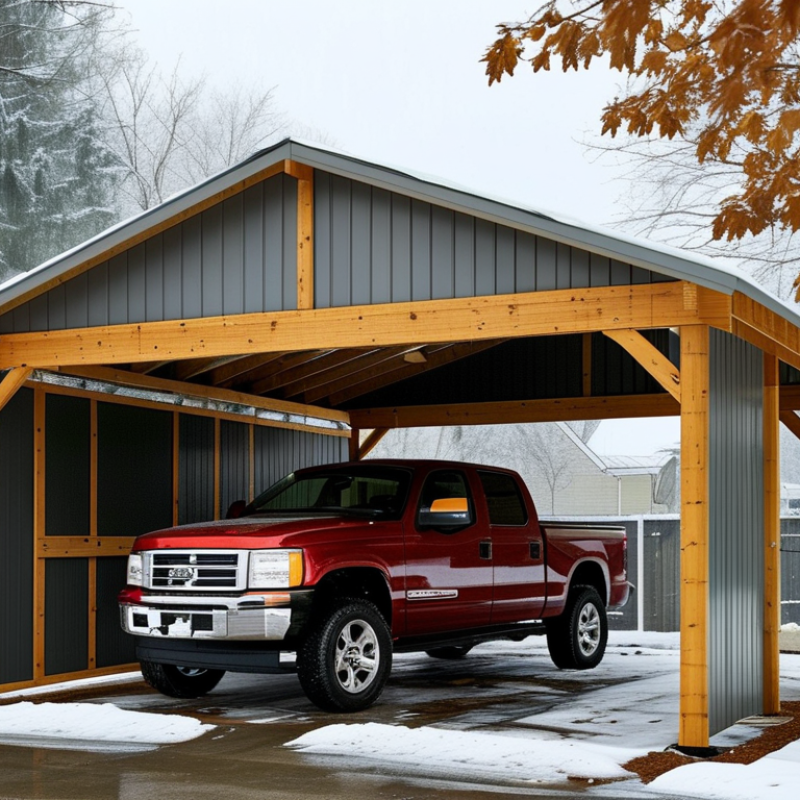
How to Choose the Best Carport Canopy for Your Needs?

Define Your Carport Canopy Needs and Intended Use

Choosing the best carport canopy starts with defining how you will use it. Do you need daily vehicle protection, seasonal storage, or a covered work area? A family sedan needs less space than a pickup with a roof rack. Measure the vehicle’s length, width, height, and door clearance before shopping.

Measure twice. It matters.

Think about your local weather, too. Strong sun calls for reliable UV resistance, while heavy rain requires a sloped roof and effective water runoff. In windy areas, a sturdy frame and secure anchoring are essential. Check the ground conditions, because soft soil may need different anchors than concrete. Local building requirements can also affect placement and installation.

Your intended use may change the ideal design. If you only park overnight, a compact structure might be practical. If you store bicycles, tools, or outdoor furniture, allow extra width and walking space. Keep ventilation in mind when covering equipment that may be damp. Closed sides offer more weather protection, but they can reduce airflow.

I once chose a canopy based only on vehicle width. That assumption was wrong. Opening the doors felt cramped, and rainwater collected near one corner. A better plan would have included door swing, drainage, and future storage. Reliable choices come from measurements, realistic habits, and honest attention to site conditions. You may not need the largest canopy, but you should avoid one that leaves no room for real life.

Compare Canopy Materials, Designs, and Weather Resistance

Choosing a carport canopy starts with your local weather, not its color. After inspecting outdoor shelters in coastal and snowy areas, I compare three common materials. They include polyethylene fabric, coated polyester, and metal panels. Fabric is affordable and easy to replace, but sunlight can make it brittle. Coated polyester usually handles rain better, though stitching can weaken under tension. Metal panels resist sparks and heavy snow more effectively. They can also transmit noise during hail.

Design controls daily usability. A peaked roof sheds rain and reduces pooled water. A rounded roof can resist wind, but it may offer less headroom near the edges. Look for reinforced corners, adjustable anchoring, and vents that release trapped heat.

In my experience, a canopy that fits tightly may still fail if anchors sit in loose soil. Measure the vehicle, door clearance, and turning space before ordering. I once underestimated side clearance. It was annoying.

Tips:

  • Match the canopy to your climate.
  • For frequent snow, choose a steep roof and verify the stated load rating.
  • For windy sites, prioritize ground anchors, cross-bracing, and removable sidewalls.
  • Check UV protection, seam quality, drainage paths, and warranty terms.
  • Follow installation instructions carefully.
  • Use published load ratings, not guesses.
  • Inspect bolts and fabric after storms.
  • Replace damaged parts early, even when the canopy still looks usable.
  • Leave enough airflow around the vehicle to limit condensation.

Choose the Right Size, Shape, and Vehicle Clearance

Choosing a carport canopy starts with measurements, not appearance. Measure the vehicle’s full length, width, and height with mirrors folded and doors closed. Then repeat with doors open. I once planned around roof height alone and regretted it. Leave at least 60 centimeters of side clearance for walking and loading. Add more space if children, luggage, or bulky equipment are regular passengers. A canopy that fits on paper may feel cramped every morning.

Shape affects usable protection. A peaked roof sheds rain and snow efficiently, while a rounded profile reduces sharp edges and wind-catching surfaces. A flat design can look neat, but standing water becomes a concern when drainage is poor. The roof should sit high enough for roof racks, tailgates, and raised hatchbacks. For many vehicles, 2.4 to 3 meters of internal height works, but measure your own vehicle first. Open the tailgate fully. Check the highest point. Do not guess.

Consider the site dimensions, too. Measure from the posts, not fabric edges, because supports reduce turning room. Keep extra length behind the vehicle if you reverse in daily. Wind exposure, uneven ground, and winter weather can change the best choice. A larger canopy is not automatically better; oversized fabric may flap and collect water. Use rated dimensions and installation guidance, then test the space with a parked vehicle. That trial can reveal an awkward door swing or blocked walkway. Recheck everything. I should have done that first.

Evaluate Installation Methods, Stability, and Portability

Choosing the best carport canopy starts with its installation method. A ground-staked frame suits soft soil and temporary parking. Concrete anchors provide better resistance on paved surfaces. NOAA’s Storm Prediction Center recorded more than 6,000 large-hail reports in the United States during 2023. That number matters.

For a semi-permanent setup, inspect anchor spacing, frame joints, and roof tension. A canopy that looks rigid may still lift when wind enters through an open side. The Insurance Information Institute reports that hail causes over one billion dollars in annual U.S. damage. Therefore, stability deserves more attention than appearance. Check the local wind rating, but do not treat it as a guarantee. Actual exposure depends on nearby buildings, trees, soil, and installation quality.

Portability changes the decision. A lighter frame can move between a driveway, event area, or storage shed. However, thinner tubing and fewer anchors may reduce stability. I once treated portability as an advantage without considering repeated assembly. The loose joints became noticeable after several setup cycles. That mistake is easy to repeat. Choose corrosion-resistant hardware, labeled parts, and clear instructions. Test the canopy after installation by checking movement at each corner. If the structure shifts visibly, add approved anchoring or reduce its exposure. Never rely on vehicle weight alone. A parked car is not a substitute for structural anchorage.

How to Choose the Best Carport Canopy for Your Needs?

Compare common canopy installation methods by installation simplicity, stability in normal conditions, and portability. Ratings use a practical 1–5 scale, where 5 indicates the strongest performance for that criterion.

Pop-up frames are generally the easiest to install and transport, but they depend heavily on proper anchoring. Pole-and-tension systems offer a balanced combination of portability and weather resistance. Semi-permanent anchored structures usually provide the highest stability, although they require more installation effort and are less convenient to relocate.

Set a Budget and Check Maintenance and Safety Requirements

Choosing a carport canopy starts with a realistic budget, not the lowest advertised price. Include the frame, anchors, delivery, ground preparation, drainage, and future cover replacement. A low initial price can hide expensive maintenance.

I would not pretend every estimate is precise. Soil, wind exposure, and snow loads change the final cost. ASCE 7-22 uses site-specific wind criteria, so ask whether the canopy suits your location. NOAA recorded 28 billion-dollar weather disasters in the United States during 2023. That figure makes anchoring and weather resistance difficult to ignore. Inspect the frame after severe wind, especially around joints and base plates. Look for rust, loose bolts, torn stitching, and pooled water. Small defects rarely improve by themselves.

Maintenance also creates safety risks. The CDC reports about 500,000 ladder-related injuries requiring medical treatment annually, with roughly 300 deaths. Use a stable ladder, keep three points of contact, and avoid working beneath a wet or unstable canopy. Replace damaged parts promptly. Some owners postpone repairs to save money. That decision can backfire. Check the manufacturer’s load ratings, but treat general wind claims cautiously. Local conditions may be harsher than marketing tests. A written inspection schedule, even a simple monthly note, helps reveal problems before they become costly.

How to Choose the Best Carport Canopy for Your Needs? — Set a Budget and Check Maintenance and Safety Requirements
Budget Tier Typical Structure Approximate Cost Range* Expected Service Life Maintenance Level Weather Suitability Key Safety Requirements Best For
Economy Portable steel frame with a polyethylene or coated fabric canopy $150–$500 1–5 years for the cover; longer with replacement covers High
Inspect seams, frame joints, tie-downs, and water accumulation frequently.
Suitable for sun, light rain, and mild seasonal conditions Use ground anchors, weighted feet, rounded frame edges, and manufacturer-rated tie-downs. Remove the canopy during severe storms when required. Short-term parking, renters, seasonal use, and limited budgets
Standard Galvanized or powder-coated steel frame with a UV-resistant fabric canopy $500–$1,500 5–10 years with proper care Moderate
Clean the cover, check corrosion, tighten fasteners, and inspect anchoring at least twice a year.
Good for regular sun, rain, moderate wind, and occasional snow when specifically rated Confirm wind and snow-load ratings, secure every leg, maintain drainage, and keep the structure clear of power lines and combustible materials. Most homeowners seeking balanced cost, durability, and convenience
Premium Permanent aluminum or galvanized-steel structure with a rigid roof or heavy-duty fabric system $1,500–$5,000+ 10–25 years or more, depending on materials and installation Low to Moderate
Wash surfaces, clear gutters or roof channels, and inspect fasteners and corrosion annually.
Better for strong sun, frequent rain, heavier wind, and snow when engineered for local conditions Use properly sized footings or approved anchors, verify local permit requirements, follow snow-removal limits, and ensure adequate clearance around the vehicle. Long-term property owners, frequent vehicle storage, and areas with demanding weather
Custom or Engineered Site-specific structure designed for local climate, vehicle dimensions, and property conditions $5,000–$15,000+ 20–30 years or more with professional installation and upkeep Low
Requires scheduled inspections, surface maintenance, drainage checks, and timely repairs.
Designed for local wind, snow, rainfall, solar exposure, and ground conditions Obtain required permits, use professional structural calculations where applicable, install certified anchoring, and maintain safe access and emergency clearances. High-value vehicles, multiple vehicles, harsh climates, and permanent installations
*Cost ranges are general planning estimates in U.S. dollars and may vary by size, materials, foundation work, installation, local labor, permits, and weather-rating requirements. Always verify local building codes and the structure’s published wind and snow-load limits before purchasing.