Learning to operate heavy equipment safely is not simply a matter of moving levers. It requires judgment, supervised practice, equipment knowledge, and consistent attention to changing site conditions. A loader may look stable on level ground, yet a soft shoulder can shift beneath one tire. A crane, excavator, or forklift also creates blind zones that can hide a nearby worker within seconds.
The need for disciplined training is supported by industry data. The U.S. Bureau of Labor Statistics reported 1,069 fatal work injuries in private construction and extraction occupations in 2023, with a fatal injury rate of 9.6 per 100,000 full-time workers. These figures cover broad occupational groups, not only equipment operators, but they show why risk control matters. OSHA identifies struck-by, caught-in, rollover, and unstable-load incidents as serious hazards around powered equipment. NIOSH FACE investigations repeatedly connect these incidents with poor communication, inadequate training, and unsafe positioning.
To learn to operate heavy equipment, a worker should combine formal instruction with hands-on mentoring. Before starting, inspect tires, tracks, hydraulic lines, alarms, mirrors, and seat belts. Check the ground, overhead hazards, weather, and pedestrian routes. Use a trained spotter when visibility is limited, and stop when signals become unclear. Small details matter.
Training is not a magic shield. An experienced operator can still misjudge a slope or rush a routine task. That uncomfortable truth deserves attention. Safe operation improves when workers report near misses, question unclear instructions, and review procedures after changing attachments or work areas. This guide explains practical steps for building that safer habit.

How to Learn to Operate Heavy Equipment Safely?
Understanding Heavy Equipment Hazards and Safety Responsibilities
Learning heavy equipment operation begins with recognizing hazards, not simply moving levers. A trained operator studies the machine’s manual, site rules, and emergency procedures. Before starting, inspect tires, tracks, brakes, fluid leaks, attachments, alarms, and safety controls. Look underneath. Small defects can become serious failures.
Visibility is a major responsibility. Blind spots can hide workers, vehicles, or uneven ground. Use approved communication signals and maintain eye contact with spotters when possible. Keep people outside the swing radius and never carry passengers unless the equipment is designed for them. Watch for overhead power lines, unstable slopes, soft soil, and changing weather. Stop work when conditions become unclear. That decision may feel inconvenient, but it protects everyone nearby.
Tips: Walk around the equipment slowly. Test controls in a clear area. Wear suitable protective equipment. Keep three points of contact when climbing. Secure attachments before leaving the cab. Report damage immediately, even when production is delayed. A checklist is not magic. It can still be rushed or misunderstood. Operators should question unclear instructions and accept correction from qualified supervisors. Experience helps, but overconfidence creates blind spots. Regular refresher training, documented inspections, and honest incident reporting build safer habits over time.
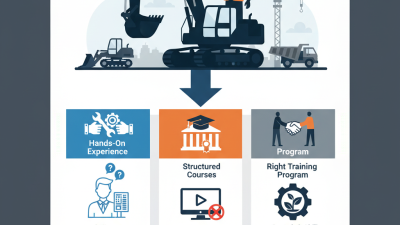
Choosing the right training path matters more than simply collecting a certificate. Look for a program recognized by the relevant local authority or industry body. Its instructors should have current operating experience, teaching skills, and verified safety knowledge. Ask how much time trainees spend in the cab, not only in a classroom.
Good training covers equipment inspection, controls, load limits, ground conditions, communication signals, and emergency procedures. Practical sessions should use realistic work areas, including slopes, blind spots, uneven surfaces, and changing weather. A trainee should practice a walk-around inspection before starting the engine. Small details matter.
Very much.
Certification should match the equipment and tasks you expect to perform. A general course may not prepare you for cranes, excavators, loaders, or elevated platforms. Check the assessment process carefully. Reliable programs include written knowledge tests, hands-on evaluations, and documented instructor feedback. They should also explain renewal periods and any local employment requirements.
Do not choose only by price. The cheapest course may provide too little supervised practice. I have seen training plans that looked complete but left weak points around reversing and pedestrian control. That should make anyone pause. Before enrollment, compare course hours, machine types, class size, instructor credentials, and safety records. After certification, continue supervised practice until every movement feels controlled, deliberate, and repeatable.
Learning heavy equipment safely begins with supervised practice, not independent experimentation. A qualified instructor should explain the operator’s manual, site rules, and emergency procedures before the engine starts. The lesson can begin beside the parked machine, where each control is identified by touch, shape, and function. Some controls feel similar, which can cause hesitation. That hesitation matters.
The trainee should practice starting, stopping, steering, lifting, and lowering under direct observation. Move slowly. The instructor can use clear hand signals and pause the exercise when visibility changes. Short drills help build control without overwhelming the operator. For example, the trainee might drive between marked points, stop within a safe boundary, and lower the attachment onto firm ground. The instructor should watch body position, mirror checks, speed, and awareness of nearby workers. Feedback must be specific, such as “check the left side before turning,” rather than simply “be careful.” Real experience includes mistakes, but repeated mistakes need a different exercise or more explanation. I once underestimated how quickly fatigue affects attention during routine movements. That lesson stays with me. Practice records should note completed tasks, observed weaknesses, and the next skill to develop. Competence grows through patient repetition, honest feedback, and a trainer willing to stop the machine.
| Learning Stage | Equipment Control Focus | Supervised Practice Activity | Main Safety Risk | Required Safe Behavior | Suggested Performance Check |
|---|---|---|---|---|---|
| 1. Pre-Operation Orientation | Identifying joysticks, pedals, levers, emergency controls, alarms, gauges, and seat-adjustment controls. | Instructor demonstrates each control while the machine is shut down, then asks the trainee to identify its function. | Operating the wrong control or misunderstanding a warning indicator. | Use the operator manual and never guess the purpose of an unfamiliar control. | Correctly identify all primary controls and explain their basic function before engine start-up. |
| 2. Walk-Around Inspection | Using inspection points, access steps, mirrors, lights, fluid indicators, tires or tracks, attachments, and safety devices. | Trainee completes a documented inspection with the supervisor before every practical session. | Mechanical failure, falls while mounting, leaks, damaged attachments, or defective alarms. | Maintain three-point contact, keep access areas clean, and report defects before operation. | Complete all inspection items without prompting and stop when a critical defect is found. |
| 3. Start-Up and Shutdown | Parking brake, neutral position, ignition sequence, attachment position, engine warm-up, and controlled shutdown. | Practice start-up and shutdown procedures in a designated area under direct supervision. | Unexpected movement, unauthorized start-up, or leaving an attachment elevated. | Fasten the seat belt, confirm neutral, check surroundings, lower attachments, and secure the machine. | Perform the sequence consistently with no unsafe movement or missed confirmation step. |
| 4. Basic Movement | Throttle, steering, braking, travel direction, speed selection, and smooth acceleration. | Drive forward, reverse, stop, and turn within a marked practice area at low speed. | Collision, loss of control, sudden braking, or contact with a person or obstacle. | Maintain a clear travel path, use designated signals, and keep speed appropriate for conditions. | Complete the course without striking boundaries and maintain smooth, predictable control. |
| 5. Attachment Control | Lifting, lowering, tilting, positioning, and securing the bucket, forks, blade, boom, or other attachment. | Move an empty attachment through controlled raise, lower, tilt, and placement exercises. | Dropped loads, tip-over, pinch points, or striking nearby structures. | Keep people outside the operating zone and carry loads only as permitted by the equipment limits. | Position the attachment accurately while maintaining stable machine posture and controlled movements. |
| 6. Visibility and Communication | Mirror use, camera or monitor awareness, horn use, two-way communication, and blind-spot management. | Practice reversing and positioning with a trained spotter using agreed hand signals or radio communication. | Striking pedestrians or another vehicle in a blind area. | Stop immediately if the spotter is lost from view or communication becomes unclear. | Complete each maneuver only after confirming the path and receiving clear communication. |
| 7. Load and Stability Control | Load balance, center of gravity, travel position, rated capacity, ground conditions, and slope awareness. | Handle a controlled training load on level ground before progressing to approved slopes or uneven surfaces. | Tip-over, overload, falling material, or loss of stability on a slope. | Follow the rated-capacity information and keep the load low and stable during travel. | Explain why the load is stable and identify conditions requiring the task to stop. |
| 8. Worksite Awareness | Exclusion zones, overhead hazards, underground services, edges, traffic routes, and changing ground conditions. | Conduct a pre-task briefing and identify hazards on a realistic but controlled worksite layout. | Contact with utilities, falls from edges, struck-by incidents, or unstable ground. | Respect barricades, maintain clearances, and reassess hazards whenever site conditions change. | Identify hazards, controls, and stop-work conditions before beginning the task. |
| 9. Emergency Response | Emergency stop, loss of power, hydraulic failure, fire response, alarm recognition, and evacuation decisions. | Discuss and rehearse emergency actions without creating a real hazardous condition. | Delayed response, uncontrolled movement, fire exposure, or unsafe evacuation. | Stop work, warn others, follow the site emergency plan, and never attempt an unsafe rescue. | State the correct response for each scenario and locate emergency controls and escape routes. |
| 10. Final Competency Evaluation | Combining inspection, control operation, travel, attachment use, communication, and shutdown procedures. | Complete a practical task observed by a qualified evaluator using a written checklist. | Skill gaps being overlooked because of speed, familiarity, or task pressure. | Prioritize control and risk management over productivity; stop and ask when uncertain. | Pass only when critical safety steps are completed correctly and consistently. |
Operating heavy equipment safely begins before the engine starts. On an active worksite, workers, vehicles, trenches, and materials constantly change position.
OSHA reports that about 75% of struck-by fatalities involving construction equipment involve mobile equipment. That figure makes routine discipline essential, not optional.
A trained operator should complete a pre-start inspection each shift. Check brakes, tires, hydraulic lines, attachments, mirrors, alarms, and fluid leaks. Walk around the machine slowly. Look beneath it.
On congested sites, establish a clear exclusion zone with barriers or visible markings. A spotter should use agreed hand signals and remain visible to the operator. Eye contact matters.
Stop when visibility disappears.
Never rely on a backup alarm alone. Noise, dust, and blind spots can hide a nearby worker. The operator should lower attachments, secure the machine, and apply the parking brake before leaving the cab.
Supervisors should review changing traffic routes during toolbox talks. The Health and Safety Executive recorded 51 worker deaths in Great Britain’s construction sector during 2023–24, showing that familiar tasks still carry serious consequences.
In practice, pressure can weaken good habits. I have seen people rush a reversing movement because materials arrived late. That decision may save seconds, but it removes control.
A safer culture allows anyone to call “stop” without embarrassment.
Training must include site-specific practice, not only classroom rules. Operators should also report near misses honestly, even when nobody was injured. That information can expose dangerous patterns before they become permanent.
Safe operation begins with disciplined maintenance. Before starting, inspect hydraulic hoses, connection pins, tires, fluid levels, mirrors, and warning alarms. Look for fresh oil beneath the machine. Test the brakes and steering in a clear area. Keep the operator’s platform free from mud, tools, and loose materials. A damaged guard or unusual vibration deserves attention, not a quick dismissal. Follow the equipment manual and your site’s inspection procedure. Record defects clearly, even when production pressure feels uncomfortable. A clean checklist does not guarantee a perfect shift. People can still overlook small details.
Emergency response requires calm, practiced actions. If a hose bursts, lower the attachment when safe, stop the machine, and keep people away from pressurized fluid. Never search for a leak with bare hands. Fluid can penetrate skin and require urgent medical care. During a rollover risk, keep the seat belt fastened and remain inside the protective structure. If the machine contacts a power line, stay inside unless fire makes escape unavoidable. Warn others to keep back, then contact trained emergency personnel. After any incident, preserve the area and report what happened accurately. Guessing helps nobody.
Tips: Walk around the machine slowly. Use three points of contact. Keep an emergency radio nearby. Review shutdown steps during training. Practice without rushing. Ask a qualified instructor to correct unsafe habits. Even careful operators need feedback.