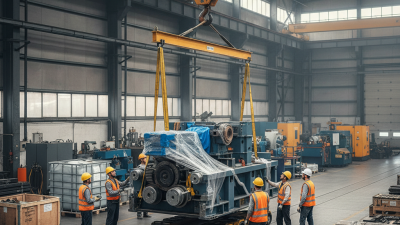
Moving large equipment is never just a matter of size, distance, or engine power. A 20-ton excavator can shift its center of gravity during loading, especially on a wet steel ramp. Small mistakes can create severe consequences. The U.S. Bureau of Labor Statistics reported 1,032 fatal work injuries in transportation and material-moving occupations during 2023. This figure reinforces a practical truth: planning must precede movement.
Reliable operations begin with verified weights, measured clearances, rated lifting points, and a written route assessment. OSHA guidance highlights struck-by, caught-in, and equipment rollover hazards across material-handling activities. The Federal Motor Carrier Safety Administration also requires cargo to remain properly secured during transportation. These standards support a disciplined process, but they do not replace professional judgment. A qualified rigger should inspect slings, shackles, chains, ramps, and anchor points before loading. Watch the ground.
Experienced crews also control pedestrian access, communicate through one designated signaler, and stop when conditions change. Wind, poor visibility, unstable soil, or a damaged tire can invalidate an earlier plan. The International Powered Access Federation’s accident reporting repeatedly identifies overturns, falls, and entrapment as serious equipment risks. That evidence deserves attention, even when a job appears routine. No plan is perfect. A useful safety review asks what could fail, who could be exposed, and whether the team can stop without pressure. Careful moving large equipment protects workers, machinery, schedules, and the public. It also creates a stronger record of professional, accountable decision-making.
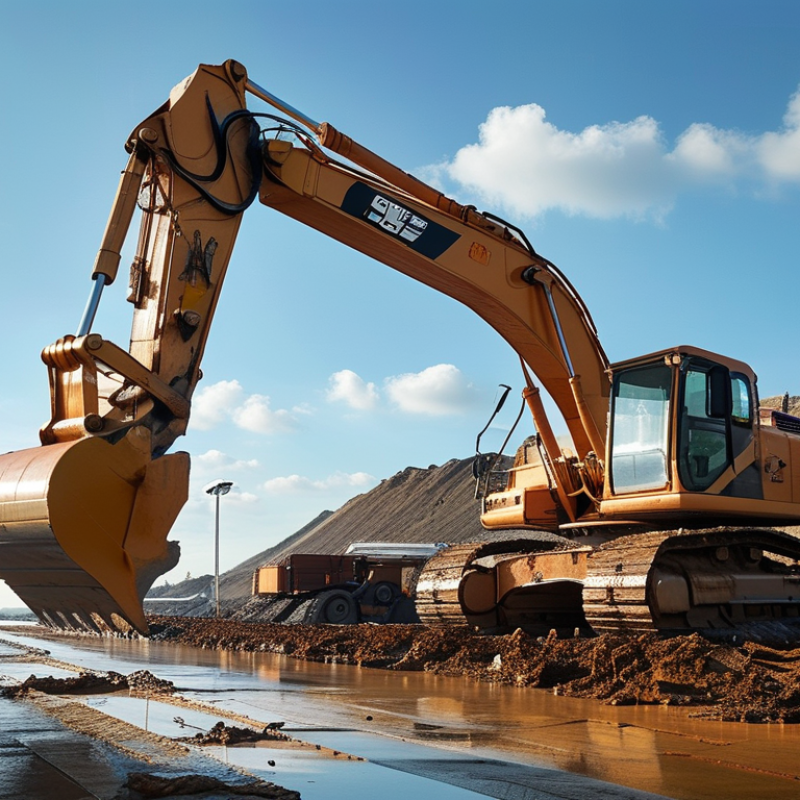
Moving large equipment safely begins with a precise equipment assessment. Record its weight, dimensions, center of gravity, lifting points, wheel condition, and maximum turning radius. Read the manufacturer’s handling instructions, but do not rely on paperwork alone. A modified machine may behave differently from its original design. The UK Health and Safety Executive reported 511,000 workers with work-related musculoskeletal disorders in 2023/24, causing 6.8 million lost working days. Poor handling decisions can create serious strain.
Study the environment before selecting a route. Check floor loading, gradients, doorway widths, overhead services, lighting, drainage, and nearby pedestrians. Measure the narrowest point physically. A drawing can be wrong. Confirm that ramps support the combined equipment and load weight, including braking forces. The route should remain dry, stable, and free from loose packaging. Use barriers where people may enter the movement zone.
Walk the route with the actual team. Mark stopping points and emergency escape areas. Check turning clearance with a scaled layout or controlled trial. The U.S. Bureau of Labor Statistics recorded 1,032 fatal injuries among material-moving occupations in 2023, highlighting the consequences of rushed movement planning. Communication also matters. Assign one signaler, use agreed hand signals, and stop immediately when visibility is lost. Even experienced crews can overlook a low beam or weak floor. That is the part worth challenging before movement begins.
Moving large equipment safely begins with a qualified team, not a stronger vehicle. Assign a lift supervisor, equipment operators, signalers, and route inspectors before moving day. Each person needs verified training, suitable experience, and clear authority to stop the operation. A supervisor should review the equipment’s weight, center of gravity, lifting points, and travel path. We once underestimated a doorway’s clearance by two centimeters. That mistake changed our planning habits.
Tip: Give every role a written responsibility. The signaler controls movement commands, while the operator follows only one designated signaler. A spotter watches blind areas, overhead hazards, floor damage, and nearby workers. Use simple hand signals or tested radio commands. Confirm them during a short briefing beside the equipment. Keep nonessential personnel outside the controlled zone.
Safety responsibilities must remain active throughout the move. The route inspector should check slopes, sharp turns, loose surfaces, and temporary ramps. The supervisor should confirm that restraints, jacks, rollers, and lifting devices match the planned load. Operators should test brakes and controls before entering a tight space. Stop immediately if communication fails, the load shifts, or the floor behaves differently. Do not improvise under pressure. After each stage, pause and inspect the equipment, path, and team position. Some plans look complete on paper but fail in real conditions. That gap deserves honest review.
Choosing suitable rigging tools and personal protective equipment is central to moving large equipment safely. A qualified person should confirm the load’s weight, center of gravity, lifting points, and route before work begins.
Select slings, shackles, spreader beams, and hoists with clearly marked working load limits. Never rely on appearance alone. A clean sling may still contain hidden cuts, heat damage, or chemical weakening.
Sling angle matters. At 30 degrees above horizontal, each sling leg can carry approximately half the load in a balanced lift. However, small shifts can increase tension quickly.
Use the manufacturer’s rated capacity and applicable ASME B30 guidance, not guesswork.
OSHA’s 2023 Fatal Four analysis identified struck-by incidents as 8.8% of construction fatalities and caught-in or between incidents as 5.5%. Those figures make suspended-load controls more than paperwork.
PPE must match the task and the exposure. Wear a properly fitted hard hat, safety footwear with toe protection, cut-resistant gloves, eye protection, and high-visibility clothing. Use hearing protection near powered equipment.
Fall protection is required when workers face an elevated-edge hazard. Keep hands away from pinch points; use tag lines when appropriate, never hands for final alignment.
A checklist helps, but it is not magic. Stop the lift if the load tilts, the sling slips, or communication fails.
Pre-use inspections, exclusion zones, and one designated signal person reduce confusion, although experienced crews can still miss a damaged fitting in poor light.
Moving large equipment safely requires more than a powerful crane or forklift. The U.S. Bureau of Labor Statistics recorded 1,069 fatal work injuries among transportation and material-moving occupations in 2023. That figure supports a simple rule: divide the move into controlled stages.
Begin with a written lift plan. Confirm the equipment’s weight, center of gravity, lifting points, and floor capacity. Inspect slings, shackles, wheels, and brakes before use. Keep nonessential workers outside the exclusion zone. A qualified person should direct the lift, while one signaler gives clear instructions. Lift only a few inches first. Stop and check balance.
Transport should be slow and predictable. Secure doors, loose panels, batteries, and fluids before movement. Use a planned route with measured doorways, ramps, overhead clearances, and turning space. The Health and Safety Executive states that lifting operations require suitable planning, supervision, and competent personnel. Do not improvise around a narrow corner.
Positioning deserves equal attention. Lower the equipment gradually onto prepared supports, not directly onto an uncertain surface. Check alignment with a level and verify that the supports cannot shift. Hands stay clear. Never correct a moving load by pushing it manually. The Occupational Safety and Health Administration identifies struck-by and caught-in hazards as major construction risks. A rushed final adjustment can undo a careful lift. Recheck the plan when conditions change; some plans look complete on paper but fail beside a wet ramp or uneven floor.
| Controlled Stage | Primary Safety Objective | Recommended Practice | Key Data or Limit | Required Verification | Common Risk to Control |
|---|---|---|---|---|---|
| 1. Plan the Move | Define a safe and controlled moving sequence. | Prepare a written method statement showing the route, lifting points, equipment, personnel, communication signals, and emergency actions. | Complete the plan before work begins; revise it when site conditions change. | Supervisor approval and a pre-task briefing for every person involved. | Unplanned movement, unclear responsibilities, and inadequate access. |
| 2. Confirm Equipment Weight | Match the load to the capacity of the lifting and transport systems. | Use the manufacturer’s rated mass where available. Include attachments, fluids, packaging, temporary supports, and rigging in the total lifted weight. | The planned load must not exceed the rated capacity of any lifting device, sling, shackle, dolly, forklift, or trailer. | Check current inspection records, capacity charts, and load-radius information. | Overloading, unstable loading, or failure of lifting accessories. |
| 3. Inspect the Route | Ensure the travel path can support and contain the move. | Check floor condition, ramps, doorways, overhead obstructions, gradients, turning areas, drainage covers, and restricted zones. | Maintain the clearance specified by the site risk assessment and equipment instructions; never rely on visual estimation alone. | Measure narrow points and verify the floor or bridge load rating with the responsible engineer. | Floor collapse, collision, snagging, or loss of steering control. |
| 4. Prepare the Equipment | Prevent loose parts, fluid movement, and unexpected changes in the center of gravity. | Shut down and isolate energy sources. Remove or secure detachable components, close access panels, drain fluids when required, and protect fragile surfaces. | Apply lockout and isolation controls wherever stored or supplied energy could create movement. | Document isolation and complete a physical stability check before rigging. | Unexpected start-up, shifting components, leaks, and pinch points. |
| 5. Select and Attach Rigging | Lift from approved points with balanced load distribution. | Use rated slings and hardware suitable for the load, angle, environment, and lifting method. Protect slings from sharp edges and avoid shock loading. | Use only legible, identifiable, and damage-free lifting accessories within their marked working load limit. | Inspect slings, hooks, shackles, and lifting points before use; confirm the center of gravity. | Dropped load, sling damage, side loading, and uncontrolled rotation. |
| 6. Perform a Trial Lift | Confirm balance and rigging security before full elevation. | Raise the equipment only slightly, pause, and check that the load is level, stable, and clear of obstructions. Lower it immediately if movement is abnormal. | Keep personnel clear of the suspended load and its potential fall zone at all times. | Signaler and operator confirm “stop,” “raise,” “lower,” and “travel” signals before the lift. | Load tilt, rigging slip, unexpected swing, and communication failure. |
| 7. Lift in a Controlled Manner | Maintain stability and prevent dynamic loading. | Lift smoothly, avoid sudden acceleration or braking, and keep the load as low as practical while maintaining clearance. | Use one designated signaler unless an emergency stop is required; stop immediately if any person gives the stop signal. | Operator maintains a clear view or uses an agreed communication system with a trained signaler. | Swinging load, shock loading, blind lifting, and struck-by incidents. |
| 8. Transfer to Transport Equipment | Move the load from lifting equipment to a stable transport platform. | Center the load over the transport device, lower it onto suitable supports, and distribute the weight so the platform remains stable. | Keep the combined load within the transport device’s rated capacity and axle or wheel-load limits. | Confirm support locations, load distribution, and platform condition before releasing the lifting gear. | Platform overload, tipping, support failure, and trapped hands or feet. |
| 9. Secure for Transport | Prevent sliding, rolling, tipping, or shifting during travel. | Use rated tie-downs, chocks, stops, blocking, or bracing suited to the load. Protect tie-downs from sharp edges and verify that doors and covers are secured. | Use a restraint arrangement designed for the load, route, braking forces, and applicable site or road requirements. | Inspect every restraint before departure and again after the first short travel segment. | Load movement, restraint failure, loss of vehicle stability, and falling objects. |
| 10. Travel at Controlled Speed | Maintain steering, braking, and visibility throughout the route. | Use a trained operator and an escort or spotter where visibility is restricted. Drive slowly through turns, ramps, doorways, and uneven surfaces. | Select a site-specific low speed that allows an immediate controlled stop; reduce speed further on slopes and uneven ground. | Check route clearance continuously and stop if pedestrians, vehicles, or obstructions enter the exclusion zone. | Collision, runaway movement, pedestrian impact, and rollover. |
| 11. Position the Equipment | Place the equipment accurately without exposing workers to crush hazards. | Establish a final position mark, use guide ropes or approved positioning tools where suitable, and keep hands and feet away from contact points. | Use positive stops or engineered supports when the equipment could roll, slide, rotate, or settle unexpectedly. | Verify orientation, level, access, service clearances, and foundation condition before final release. | Crushing, caught-between injuries, unstable placement, and misalignment. |
| 12. Set Down and Release | Transfer the load safely to its permanent supports. | Lower slowly onto rated foundations, skids, or supports. Confirm full contact and stability before removing rigging or temporary restraints. | Do not release lifting gear until the equipment is stable without relying on the crane, forklift, or transport device. | Complete a final stability inspection and obtain supervisor acceptance. | Settlement, overturning, support failure, and sudden load release. |
| 13. Post-Move Check | Confirm that the equipment and work area are safe for operation. | Inspect for structural damage, fluid leaks, displaced guards, disturbed connections, and blocked access. Remove temporary controls only when authorized. | Restore guards and safety devices before energizing or commissioning the equipment. | Record the inspection, remove barriers only after the area is safe, and brief affected operators. | Hidden damage, unsafe commissioning, residual trip hazards, and unauthorized access. |
After relocating large equipment, do not trust appearance alone. A clean exterior can hide a shifted mount, damaged cable, or stressed hydraulic line. Lock out all energy sources before inspection. Use the approved site procedure and consult a qualified technician when necessary. Check anchor bolts, guards, casters, lifting points, and frame welds for fresh cracks or distortion. Small details matter.
Walk the entire route and compare the new position with the layout drawing. Look for crushed floor edges, oil stains, loose debris, and blocked emergency access. Confirm that doors, aisles, drains, and fire equipment remain accessible. Measure clearances around moving parts, overhead structures, and nearby electrical panels. A few centimeters can change safe operation. If a measurement seems uncertain, stop and check it again. Guessing is not a control.
Test the equipment only after the area is clear and every guard is secured. Run a controlled dry cycle, then observe vibration, unusual noise, heat, leaks, and delayed responses. Inspect cable connections and check whether controls match their intended functions. Record readings, photographs, defects, and corrective actions in the relocation report. A rushed inspection can miss a loose bolt. Do not return the equipment to production until qualified personnel verify and document each correction.
The chart shows the percentage of post-relocation inspections completed successfully across key safety categories. Equipment stability and work-area clearance require particular attention because they directly affect safe operation after repositioning.