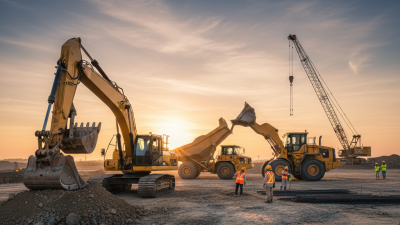
In the realm of construction and industry, large equipment plays a vital role. These machines enhance efficiency, safety, and productivity. Understanding their importance helps companies choose the right tools for their projects.
Large equipment encompasses a variety of machines, each designed for specific tasks. Cranes lift heavy materials, while excavators dig deep foundations. These powerful tools transform how work is accomplished on-site. However, reliance on large equipment has its challenges. Maintenance is crucial, and improper use can lead to accidents.
Choosing the right large equipment requires careful consideration. Each piece must align with project needs and site conditions. Mistakes in selection can result in delays and increased costs. Balancing power and safety is essential in this fast-paced industry. As demands grow, the significance of large equipment will only increase.
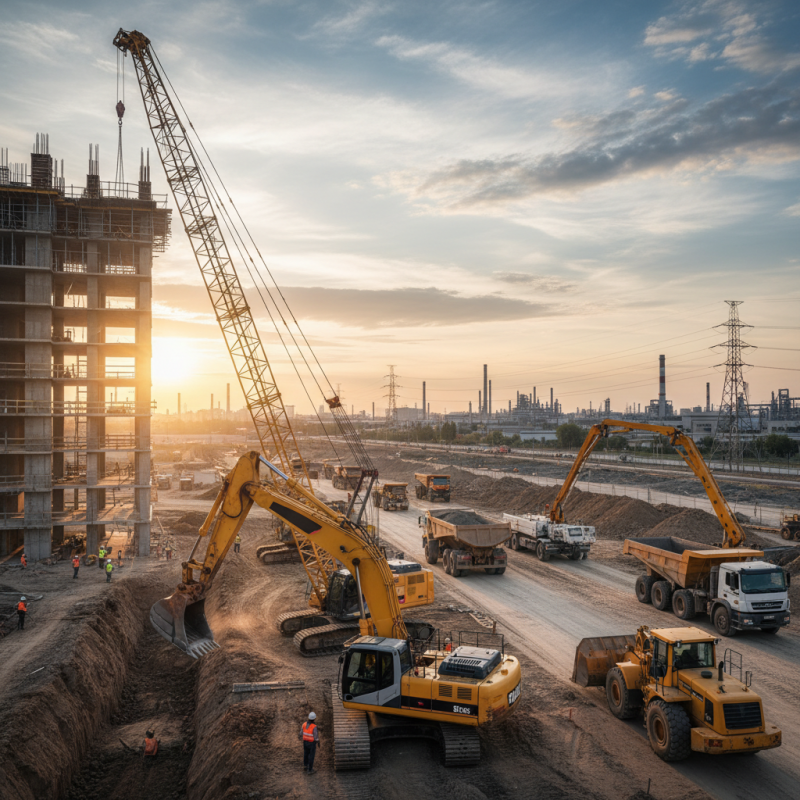
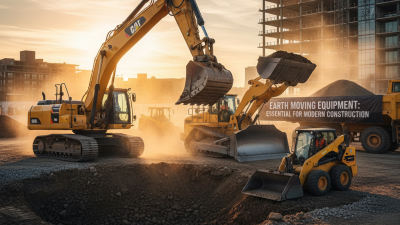
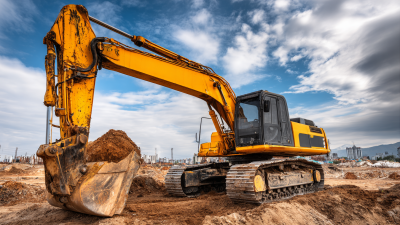
In the construction and industrial sectors, large equipment plays a crucial role. Excavators are one key example. These powerful machines dig deep foundations and trenches efficiently. Their size and strength enable them to handle heavy loads. However, operating an excavator requires skilled operators. Improper use can lead to costly accidents.
Another important piece is the bulldozer. Its wide blade pushes large amounts of materials. It is essential for site clearing. But its maneuverability can be challenging in tight spaces. Operators must constantly be aware of their surroundings. Misjudgments can cause delays or safety risks.
Cranes are also vital in construction. They lift heavy materials to great heights. A well-positioned crane can save time and increase efficiency. On the flip side, their setup is complex. An unstable crane can lead to catastrophic failures. Understanding load limits is essential for safety and effectiveness.
| Equipment Type | Primary Use | Weight Capacity | Power Source | Typical Applications |
|---|---|---|---|---|
| Excavator | Digging and moving earth | Up to 100 tons | Diesel | Civil engineering, landscaping |
| Bulldozer | Earthmoving and grading | Up to 80 tons | Diesel | Site preparation, road construction |
| Crane | Lifting heavy loads | Up to 1,200 tons | Electric or Diesel | Construction, shipping |
| Loader | Loading materials | Up to 25 tons | Diesel | Construction, agriculture |
| Forklift | Material handling | Up to 10 tons | Electric or Diesel | Warehousing, retail |
| Dump Truck | Transporting materials | Up to 50 tons | Diesel | Mining, construction |
| Paver | Paving roads | N/A | Diesel | Road construction, asphalt applications |
| Telehandler | Reaching high loads | Up to 4 tons | Diesel | Construction, agriculture |
| Scissor Lift | Elevating workers | Up to 1 ton | Electric or Diesel | Maintenance, construction |
| Backhoe Loader | Digging and transporting | Up to 15 tons | Diesel | Construction, landscaping |
When considering large equipment for construction and industry, key features are vital. Equipment must be durable and reliable. Different job sites may require different machines. For example, excavators are essential for digging. They often come with hydraulic arms for better precision.
Choosing the right equipment involves understanding specifications. Look at the weight capacity, power requirement, and operational range. Machines need to operate efficiently. Some equipment has advanced technology. Features like GPS and remote controls can enhance productivity.
Tips: Always evaluate the equipment's maintenance needs. Regular checks can prevent costly downtimes. Understand each machine's limitations. Selecting the wrong equipment can lead to delays. Reflect on past equipment choices. Were they efficient? Could they have been better? These insights can guide future decisions.
The demand for heavy machinery in construction and industry continues to evolve. According to a recent market analysis report from XYZ Research, the global construction equipment market is anticipated to grow at a CAGR of 5.4% from 2023 to 2028. This surge is primarily driven by increased infrastructure projects worldwide. However, the market faces challenges. Supply chain disruptions have resulted in delays and rising costs for manufacturers.
In addition, the shift towards sustainability is shaping equipment demand. Many companies are now prioritizing eco-friendly machinery. Electric and hybrid models are gaining traction. A study indicated that 30% of industry players are considering investments in greener technology. Yet, the transition is not easy. There is a learning curve and high initial investment costs that may deter some businesses.
Moreover, regional disparities affect market trends significantly. In North America, a focus on renovation is evident. Meanwhile, Asia-Pacific is witnessing rapid expansion due to urbanization. These regional trends create an uneven playing field. Companies must adapt to stay competitive.
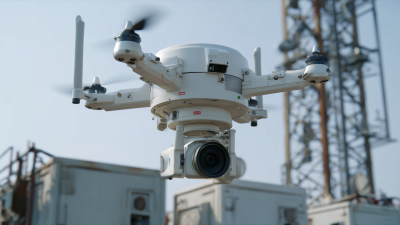
Technology is transforming large equipment in construction and industry. Advanced sensors are now common. They monitor performance and ensure safety. This integration improves operational efficiency. Workers can focus on their tasks without unnecessary distractions.
Automation plays a crucial role as well. Equipment can now execute tasks autonomously. This reduces human error and increases precision. However, reliance on technology may create challenges. Workers must remain skilled to manage unexpected situations. Training becomes vital to adapt to evolving machinery.
Safety technology is also making strides. Improved safety features protect workers on-site. Yet, overconfidence in these systems can lead to complacency. Regular maintenance and checks are necessary to ensure everything functions correctly. Balancing technology and human oversight is essential.
This chart represents the efficiency ratings of the top 10 large equipment examples used in construction and industry. As technology advances, the efficiency and safety of these machines have significantly improved, impacting overall productivity in these fields.
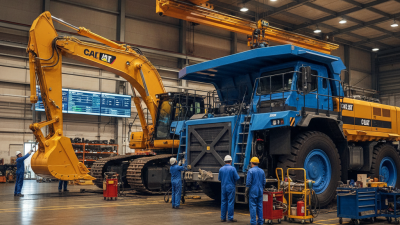
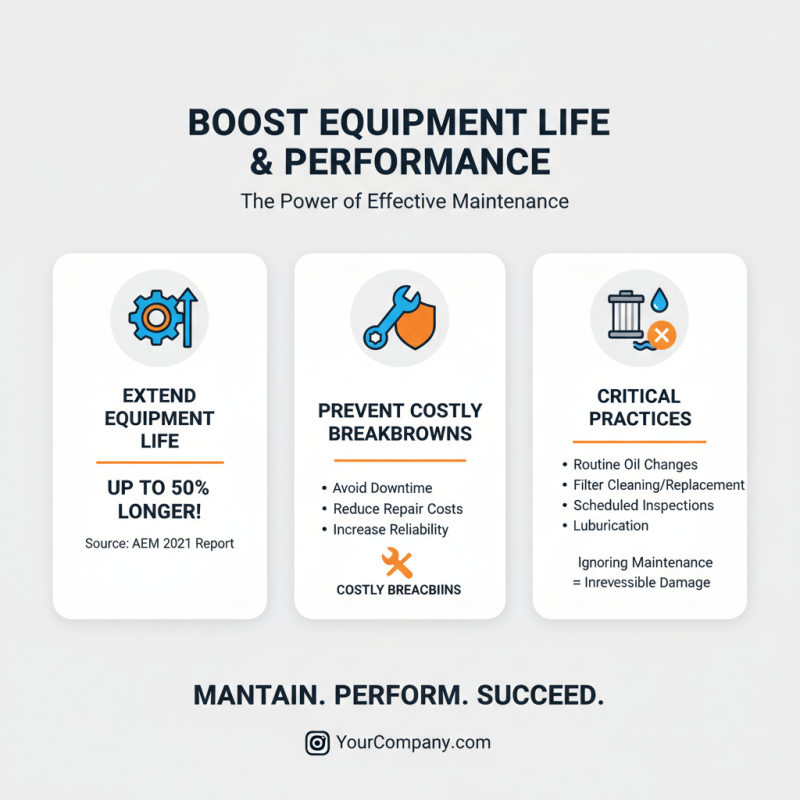
Effective maintenance practices are crucial for enhancing equipment longevity and performance in the construction and industrial sectors. According to a 2021 report by the Association of Equipment Manufacturers, proper maintenance can extend equipment life by up to 50%. Many companies neglect routine checks, leading to costly breakdowns. Ignoring oil changes or failing to clean filters can cause irreversible damage.
Implementing a structured maintenance schedule can mitigate these risks. Regular inspections should be documented. This helps identify patterns and predict failures before they occur. Inadequate documentation often leads to repeated mistakes. Maintenance teams need to track service history carefully. Studies show that over 60% of equipment failures are due to insufficient care.
Investing in employee training also plays a critical role. Properly trained staff can spot early signs of wear and tear. This proactive approach reduces downtime. It's essential to foster a culture of accountability. While technology can assist, nothing replaces human observation. Maintaining a collaborative environment encourages open communication about equipment status.