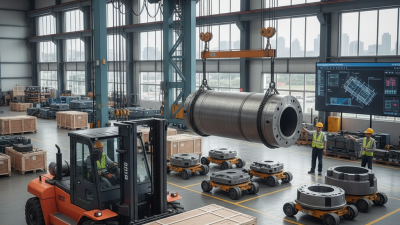
Why Do Moving Companies Need Heavy Equipment?
When people picture a moving company, they often imagine cartons, blankets, and strong workers. The difficult reality begins with the objects that cannot be lifted safely by hand. Pianos, industrial machines, oversized safes, and loaded storage containers require controlled power. This is why moving companies heavy equipment has become an important part of professional relocation work. The right machinery protects furniture, buildings, employees, and customers from avoidable damage.
Heavy equipment may include forklifts, pallet jacks, furniture lifts, cranes, ramps, and hydraulic dollies. Each tool solves a different problem. A forklift can move a packed pallet across a warehouse floor. A lift gate can lower a commercial appliance from a truck without sudden impact. Hydraulic dollies help crews guide heavy objects through narrow corridors. Experienced movers inspect doorways, floor strength, turning space, and weather conditions before choosing equipment. Small details matter.
However, equipment alone does not guarantee a successful move. Poor training can create new risks. A machine may fit through a doorway but damage the threshold or surrounding wall. I have seen how rushed planning turns a simple delivery into an expensive repair. Reliable companies train operators, maintain machinery, and explain limitations honestly. They also use protective mats, straps, corner guards, and spotters when needed. Some projects still require specialist contractors or structural advice. That is not a weakness. It shows professional judgment. The safest moving plan combines practical experience, suitable equipment, careful communication, and a willingness to reconsider assumptions before work begins.
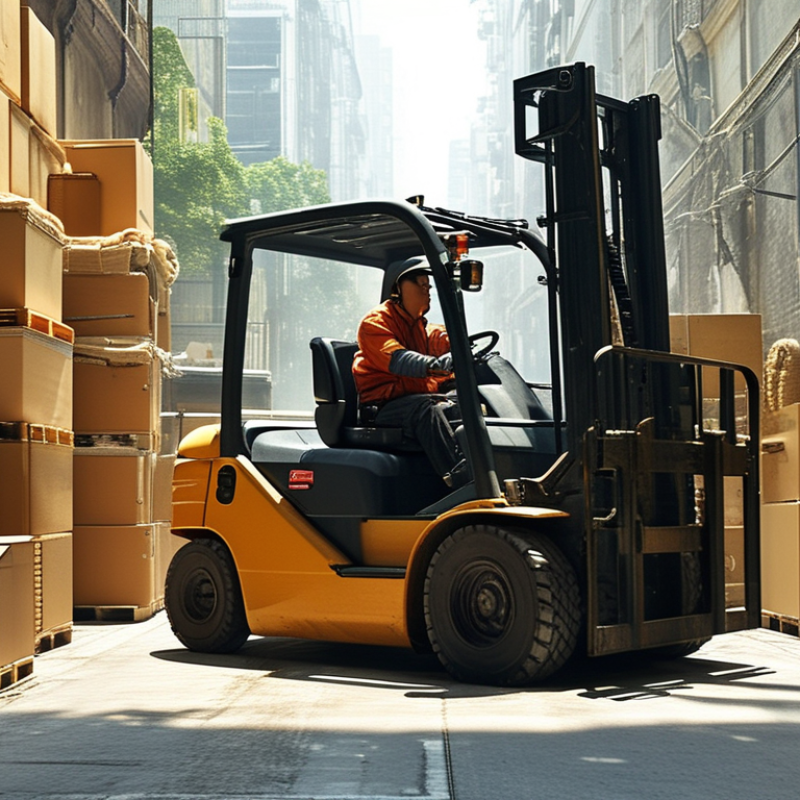
Defining Heavy Equipment: Trucks Carry 72.6% of U.S. Freight by Weight (ATA)
Moving companies need heavy equipment because household loads are dense, awkward, and often difficult to handle manually. Heavy equipment includes box trucks, trailers, ramps, liftgates, appliance dollies, and hydraulic loading systems. The term can mislead. A large sofa may need more control than a heavier boxed item.
According to the American Trucking Associations, trucks carry 72.6% of U.S. freight by weight. That figure explains why truck capacity matters during residential and commercial moves. A properly sized truck reduces repeated trips, protects cargo, and gives crews space to secure items safely. The U.S. Census Bureau’s 2017 Commodity Flow Survey reported that trucks carried 65.5% of domestic shipment weight. Different measurement methods produce different results, but the pattern remains clear.
Equipment choices also depend on access conditions. A narrow driveway may require a smaller vehicle and a portable ramp. A warehouse move may need pallet equipment, dock plates, or powered lifting support. Crews should inspect door widths, floor surfaces, stairs, and loading distances before dispatch. This step is easy to skip. It should not be.
The Federal Motor Carrier Safety Administration emphasizes vehicle inspections, secure loading, and safe operating practices. Those requirements support a practical lesson: equipment is not only about lifting more weight. It is about controlling movement, reducing strain, and limiting preventable damage. Even experienced planners can misjudge a building’s access or a load’s balance. Careful assessment still matters.
Choosing Load Capacity: FMCSA Weight Ratings Guide Truck and Trailer Selection
Moving companies need heavy equipment because household loads quickly exceed ordinary vehicle limits. Pianos, appliances, packed cabinets, and loading ramps add serious weight. A truck may look spacious, yet still lack safe carrying capacity. Capacity must be measured, not guessed.
The FMCSA weight ratings guide truck and trailer selection. Check the truck’s GVWR, GCWR, and GAWR on its certification label. GVWR covers the loaded truck, including cargo, workers, fuel, and equipment. GCWR covers the loaded truck and trailer together. GAWR limits the weight carried by each axle. Payload is not simply the advertised cargo space. It is the GVWR minus the empty vehicle weight. Trailer capacity also depends on its GVWR, axle ratings, tires, brakes, and hitch limits.
Leave room for real conditions. A crew, hand truck, blankets, and fuel can consume hundreds of pounds before loading begins. Heavy items should sit low and near the axle area. Uneven placement can overload one axle, even when the total weight seems acceptable. Weigh the fully loaded combination at a certified scale when practical. Keep the scale ticket and equipment records.
Field planning is rarely perfect. Weight estimates may be wrong, especially with mixed household goods. I would rather schedule a larger unit than discover a dangerous shortage at the customer’s driveway. However, oversized equipment can increase operating costs and create difficult access problems. Review current FMCSA requirements, state rules, manufacturer ratings, and the actual load before dispatch.
Protecting Workers: OSHA Reports 35,000 Serious Forklift Injuries Annually
Why Do Moving Companies Need Heavy Equipment?
Protecting Workers: OSHA Reports 35,000 Serious Forklift Injuries Annually
Moving crews handle refrigerators, safes, machinery, and packed pallets every day. Some items are too heavy for safe manual lifting. Heavy equipment reduces strain and helps workers control awkward loads. It also limits sudden twisting, slipping, and back injuries during transport.
OSHA reports about 35,000 serious forklift injuries annually. That figure shows why equipment alone cannot guarantee safety. A forklift can tip on an uneven driveway. A poorly balanced load can slide without warning. Operators need documented training, daily inspections, and a clear view of the travel path. Spotters should guide blind movements, especially near loading docks and narrow hallways.
Good planning begins before the truck arrives. Crews should measure doorways, check floor strength, and identify overhead hazards. The load’s weight and center of gravity must match the equipment’s capacity. Workers need hard hats, safety footwear, and high-visibility clothing when site conditions require them. Exclusion zones also keep bystanders away from moving loads.
Even experienced teams make mistakes. A rushed delivery can weaken careful habits. We sometimes focus too much on finishing quickly. That deserves reflection. Equipment should support judgment, not replace it. Regular maintenance, calm communication, and permission to stop an unsafe lift can prevent a serious injury. Safety is not a single task. It is repeated attention to small details.
Moving Oversized Items: OSHA Rigging Rules Govern Cranes, Dollies, and Hoists
Moving companies need heavy equipment when furniture, machinery, or building materials exceed safe manual-handling limits. A loaded industrial cabinet may weigh hundreds of kilograms. A crane, hoist, or heavy-duty dolly can control that weight with less strain and fewer sudden movements.
OSHA rigging rules require careful planning before lifting begins. Workers should confirm the load’s weight, center of gravity, and lifting points. Slings, hooks, chains, and shackles must be inspected for wear, deformation, and damage. Every component needs a rated capacity suitable for the planned lift. Never exceed it. A qualified person should direct the operation and explain the lifting method clearly. One signaler can prevent confusion when the operator cannot see the load.
The work area also needs control. Barriers should keep people away from suspended loads and moving dollies. Floors must support the equipment, especially near ramps, elevators, and loading docks. A hoist should lift vertically, not pull sideways. A dolly should move slowly over thresholds, with the load secured and balanced. Small details matter. A loose strap or uneven wheel can change everything. Even experienced crews can rush a setup when deadlines feel tight. That is where judgment needs another check: pause, inspect the rigging again, and question any step that does not look stable.
Why Moving Companies Need Heavy Equipment: OSHA Rigging Design Factors
OSHA regulations require lifting slings and rigging accessories to meet minimum design-factor requirements.
These safety margins help cranes, dollies, hoists, and other heavy-moving equipment handle oversized loads while reducing the risk of equipment failure.
Reducing Damage and Delays: GPS Fleet Systems Improve Moving-Route Control
Moving companies rely on heavy equipment when a piano, safe, or packed commercial cabinet exceeds manual handling limits. Hydraulic lift gates, powered dollies, ramps, and load straps reduce strain and keep bulky items stable. Experienced crews inspect wheels, brakes, straps, and floor conditions before loading. A single loose strap can damage a doorway or scratch a finished floor. Equipment matters, but timing matters too. A truck waiting outside can block a narrow street for twenty minutes.
GPS fleet systems give dispatchers a live view of each vehicle, helping them control routes around road closures, low bridges, traffic, and delivery windows. Location data can show whether a truck stopped unexpectedly or approached the wrong access road. Dispatchers can send practical instructions before the crew reaches a tight entrance. This reduces idle time and rushed unloading. It also improves customer updates, because arrival estimates reflect actual movement instead of guesswork. Still, GPS is not perfect. Weak signals, outdated maps, and driver input errors can mislead a plan.
Reliable route control combines GPS records with local knowledge and crew judgment. A driver may know that a supposedly open alley cannot fit a tall box truck. Maps can be wrong. Reviewing route history can reveal repeated delays near elevators, loading docks, or construction zones. Managers can adjust departure times, assign suitable equipment, and schedule safer parking locations. Data supports decisions; it does not replace experience. Crews should record near misses and revise procedures honestly, even when delays came from their own planning. Small corrections protect furniture, equipment, and trust.