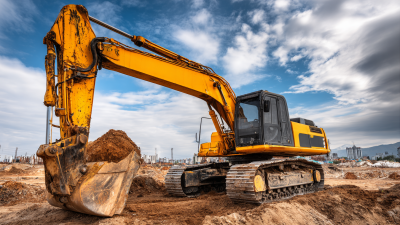
Choosing heavy earth moving equipment is a decision about productivity, risk, and long-term cost. Excavators, bulldozers, wheel loaders, and motor graders must match the ground, workload, and project schedule. A machine that looks powerful in a brochure may perform poorly on soft clay or steep, uneven terrain. Field experience matters.
KHL Group’s 2024 Yellow Table reported $243.4 billion in 2023 sales among the world’s 50 largest construction equipment manufacturers. This figure shows the market’s scale and intense competition. However, market size does not identify the right machine for every site. Buyers should examine operating weight, bucket capacity, hydraulic flow, fuel consumption, and service access. They should also compare manufacturer support in the equipment’s working region.
The U.S. Environmental Protection Agency’s nonroad diesel standards highlight another practical issue: emissions compliance affects equipment selection, ownership costs, and operating permissions. Local requirements may also influence noise levels, fuel systems, and telematics records. These details are easy to overlook.
Do not trust one number.
A reliable evaluation combines dealer quotations, maintenance histories, operator feedback, and realistic production estimates. For example, an excavator loading 25-ton trucks needs more than high engine horsepower. Its cycle time, swing radius, attachment compatibility, and operator visibility also matter. The cheapest purchase can become expensive through downtime, excessive fuel use, or delayed parts. Even experienced buyers can misjudge future utilization. Therefore, this guide explains how to choose heavy earth moving equipment using measurable site conditions, total cost of ownership, safety expectations, and dependable after-sales support.
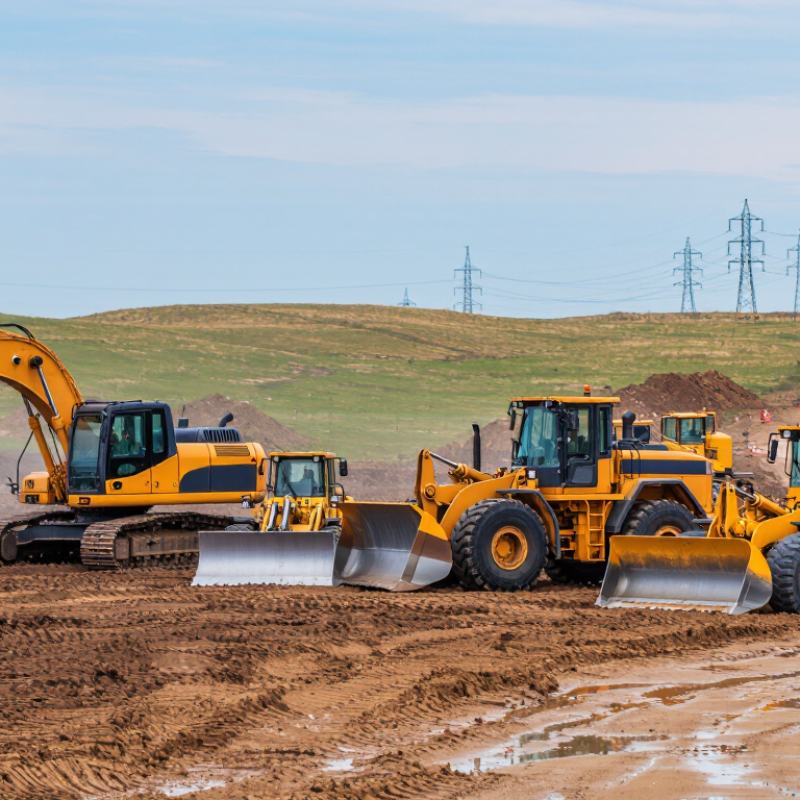
Choosing heavy earth moving equipment starts with a clear description of the work. Record excavation depth, soil volume, haul distance, daily production targets, and project duration. A shallow drainage trench needs different capability than basement excavation. Measure access roads, turning radii, overhead clearance, and ground bearing capacity before comparing equipment options. Small details matter.
Walk the worksite after rain, not only during dry weather. Note soft patches, standing water, slopes, loose fill, dust, and nearby structures. A large excavator may offer impressive output, yet it can sink on unstable ground. Compare operating weight with the site’s bearing capacity. Plan mats, temporary roads, or staged access where necessary. Check noise, visibility, utility locations, and safe separation distances. These observations support practical risk controls and reliable equipment selection.
Match attachments and machine size to the actual task, not the largest possible task. Bucket capacity, breakout force, reach, lifting limits, fuel use, and transport dimensions affect productivity. Keep enough power for dense clay or broken rock, but avoid unused capacity. From site experience, production estimates often look optimistic when repositioning delays are ignored. Recalculate using realistic cycle times. This step is easy to underestimate. Weather can change the answer. Leave room for a smaller support machine if access becomes tight or the main unit needs assistance.
| Equipment Type | Best-Suited Project Requirement | Typical Operating Weight | Typical Working Range | Preferred Worksite Conditions | Important Selection Criteria |
|---|---|---|---|---|---|
| Crawler Excavator | Deep excavation, trenching, foundation work, quarrying, and loading trucks. | Approximately 8–90 tonnes, depending on machine class. | Bucket capacities commonly range from about 0.2–6.0 m³; digging depths may exceed 6 m on large units. | Uneven or soft ground where tracked stability is valuable; adequate space is required for swing clearance. | Required digging depth, bucket size, material density, tail-swing clearance, transport limits, and hydraulic attachment demand. |
| Wheel Loader | Fast loading, stockpiling, aggregate handling, site cleanup, and short-distance material movement. | Approximately 5–35 tonnes. | Bucket capacities commonly range from about 1.0–10.0 m³; efficient travel distances are generally short. | Firm, level, and reasonably well-drained surfaces with room for turning and truck approach. | Bucket-to-truck matching, breakout force, tipping load, cycle distance, tire traction, and surface condition. |
| Crawler Dozer | Bulk pushing, land clearing, grading, spreading fill, slope formation, and rough site preparation. | Approximately 7–90 tonnes. | Blade widths commonly range from about 2.5–6.0 m; economical pushing distances are generally limited. | Rough, muddy, or low-traction terrain where tracked ground contact improves stability and drawbar pull. | Blade type, material volume, grade-control needs, slope angle, ground pressure, and required pushing distance. |
| Motor Grader | Fine grading, road construction, drainage slopes, shoulder shaping, and final surface preparation. | Approximately 12–30 tonnes. | Moldboard lengths commonly range from about 3.0–4.9 m; designed for precise shallow cuts and material spreading. | Firm surfaces with sufficient longitudinal and lateral operating room. | Required grade tolerance, moldboard reach, articulation, steering control, visibility, and machine width. |
| Articulated Dump Truck | Hauling excavated soil, rock, overburden, and construction material across uneven or changing terrain. | Approximately 20–60 tonnes payload capacity. | Body volumes commonly range from about 12–40 m³, depending on payload and material density. | Rough, wet, steep, or poorly maintained haul roads where articulation and all-wheel drive are beneficial. | Payload compatibility, haul-road length, grade percentage, turning radius, ground conditions, and dumping space. |
| Rigid Dump Truck | High-volume hauling in mines, quarries, and large, well-engineered earthmoving projects. | Approximately 40–400 tonnes payload capacity. | Body volumes may exceed 200 m³ on the largest mining-class units. | Wide, stable, well-maintained haul roads with controlled gradients and adequate turning areas. | Road width, haul distance, payload matching, braking requirements, cycle time, and site traffic-management plan. |
| Backhoe Loader | Small utility excavation, trenching, backfilling, loading, landscaping, and municipal maintenance. | Approximately 7–12 tonnes. | Typical digging depths are about 4–6 m; front buckets commonly range from about 0.7–1.3 m³. | Confined or urban sites where road mobility, compact dimensions, and multi-function capability are important. | Transport access, rear digging depth, stabilizer footprint, attachment versatility, and allowable ground pressure. |
| Skid-Steer Loader | Light grading, material handling, demolition support, snow removal, and attachment-based work. | Approximately 2.5–5.5 tonnes. | Rated operating capacities commonly range from about 0.7–1.6 tonnes; operating width can be under 2 m on compact models. | Tight, relatively firm sites where zero-radius turning and compact attachment operation improve access. | Rated operating capacity, lift path, hydraulic flow, attachment requirements, surface protection, and overhead clearance. |
| Compactor | Compaction of soil, aggregate bases, asphalt, embankments, and landfill cover materials. | Approximately 1.5–25 tonnes, depending on type and application. | Drum widths commonly range from about 0.8–2.1 m for soil and asphalt compactors. | Prepared working layers with controlled moisture content and sufficient room for repeated passes. | Material type, layer thickness, target density, drum configuration, vibration settings, and required pass count. |
Choosing heavy earthmoving equipment starts with the task, not the machine’s size.
An excavator suits digging trenches, removing hard soil, and loading spoil into trucks. Its bucket should match the material and trench width. For broad cuts and site leveling, a bulldozer offers strong pushing power. It works well on short travel distances. A wheel loader is better for scooping loose aggregate and filling trucks quickly. It is not designed for deep excavation.
Ground conditions also change the correct choice.
A motor grader creates precise slopes and smooth road surfaces, especially after rough grading. A scraper can move large volumes of soil across open, reasonably firm ground. On wet or uneven sites, however, its performance may fall sharply. Articulated dump trucks handle soft terrain and long hauling routes more reliably than rigid trucks. They still need safe turning space. Compacting equipment must match the soil: vibratory rollers suit granular material, while padfoot rollers work better with cohesive clay.
I have seen projects lose hours because a loader was assigned to dig compacted ground. It looked powerful, but the wrong attachment caused slow cycles and unnecessary wear. A site supervisor should check soil density, haul distance, access width, production targets, and operator skill before selection. Fuel use matters too. Sometimes a smaller excavator completes confined work faster than a larger unit. That judgment is easy to miss. Equipment plans should remain flexible, because weather and unexpected underground conditions can change the job.
Choosing heavy earth moving equipment starts with the worksite, not the equipment yard. On a road cut, I measure trench depth, haul distance, soil density, and turning space before comparing machines. Size affects reach and stability. A large excavator may dig quickly, yet its tail swing can crowd barriers or nearby traffic. A compact unit fits tighter areas, but it may need more passes. That trade-off is easy to underestimate.
Capacity should match the material and cycle time. Check bucket volume, rated payload, lift charts, and dumping height together. A loader carrying wet clay needs a different margin than one moving loose sand. Never treat the maximum rated load as a daily target. Real production falls when the ground is soft, the bucket is overfilled, or trucks arrive late. Measure several actual cycles. Brochure estimates can look overly neat. Good operators still question them.
Power matters beyond engine output. Hydraulic flow influences attachment performance, while torque helps machines climb ramps or push through dense spoil. More power can increase fuel use, heat, and maintenance demands. Mobility includes ground clearance, track width, travel speed, and transport requirements. Wheeled equipment moves quickly across paved areas; tracked equipment usually grips uneven ground better. I once favored extra power for a short project and overlooked access width. The machine worked, but repositioning consumed hours. Compare the specifications with the narrowest gate, steepest grade, and heaviest load on site. Record those limits before renting or purchasing.
Purchase price rarely reveals the real cost of earth moving equipment. Calculate fuel use, transport, operator wages, attachments, insurance, and expected downtime. A machine burning extra fuel can erase a low purchase price within months. Ask for verified operating data from similar soil and workload conditions. Wet clay, steep grades, and long travel distances change those figures quickly. Small details matter.
Safety must match the actual worksite, not a sales brochure. Check visibility around the cab, access steps, emergency controls, rollover protection, and warning systems. Confirm that operators can adjust seats, mirrors, and controls without distraction. Review training records and daily inspection procedures before assigning equipment. I have seen rushed inspections miss damaged hydraulic hoses. That mistake can become expensive and dangerous.
Maintenance planning deserves equal attention. Compare service intervals, filter access, lubrication points, diagnostic support, and local technician availability. Keep a written log for engine hours, fluid checks, tire or track wear, and repairs. A convenient access panel can save more labor than an impressive specification. Be honest about your workshop capacity. If your team lacks specialist tools, maintenance delays may grow. Even experienced managers sometimes underestimate seasonal wear, especially during dusty excavation or winter hauling.
Choosing heavy earthmoving equipment starts with the work, not the machine catalog. Select the fleet around soil type, haul distance, access limits, and daily production targets. A reliable combination may include an excavator, dozer, wheel loader, and articulated hauler. Match each machine’s output to the slowest cycle. Otherwise, expensive idle time appears quickly.
Inspect every unit under working conditions. Check hydraulic leaks, track or tire wear, cooling systems, warning alarms, and attachment pins. Measure fuel use during a complete operating cycle.
94% The Associated General Contractors of America and Sage reported in 2024 that 94% of construction firms struggled to fill open positions. Simple controls and clear service access therefore matter. Skilled operators should test visibility, vibration, braking, and response time. A clean inspection sheet is useful. It is not perfect.
Configure the combination with real site data. Use payload limits, ramp gradients, expected cycle times, and weather interruptions. McKinsey Global Institute reported that construction productivity grew about 1% annually over two decades, compared with 2.8% across the broader economy. Small planning errors can therefore become costly delays.
My first fleet estimate was once too optimistic because it ignored truck queuing. That mistake matters. Recalculate production after a short field trial, then adjust machine sizes, attachments, and operator shifts. The best equipment combination is not always the largest one. It is the one that keeps every essential machine productive, safe, and maintainable.