10 Tips for Buying Construction Machinery and Equipment
Buying construction machinery and equipment is a major decision, whether you manage a small contracting crew or oversee several active job sites. The right machine can keep work moving; the wrong one can sit unused while costs add up. It is easy to focus on the purchase price. That is only part of the picture.
A practical buying process starts with the work itself. Consider the ground conditions, required lifting capacity, travel distance, and hours the machine will run each week. A compact excavator that fits through a narrow gate may be more useful than a larger model with impressive specifications. Check maintenance records, wear on tracks or tires, hydraulic leaks, and the condition of key attachments. Small details matter. An experienced technician can help assess used equipment, but an inspection cannot erase every uncertainty.
Compare the full cost of ownership, including fuel, scheduled service, parts availability, transport, insurance, and financing terms. Ask dealers about warranty coverage and how quickly they can supply common parts. Confirm that operators receive suitable training and can access the manufacturer’s operating guidance. Those questions may feel tedious. They can prevent expensive surprises.
The ten tips ahead offer a clear framework for comparing options, evaluating sellers, and matching equipment to real jobsite needs. No checklist can make every purchase perfect; market conditions and project demands change. Use the guidance as a starting point, verify important details, and pause when an answer does not feel complete.
Define the Job: Document Annual Hours, Payload, Reach, and Site Conditions
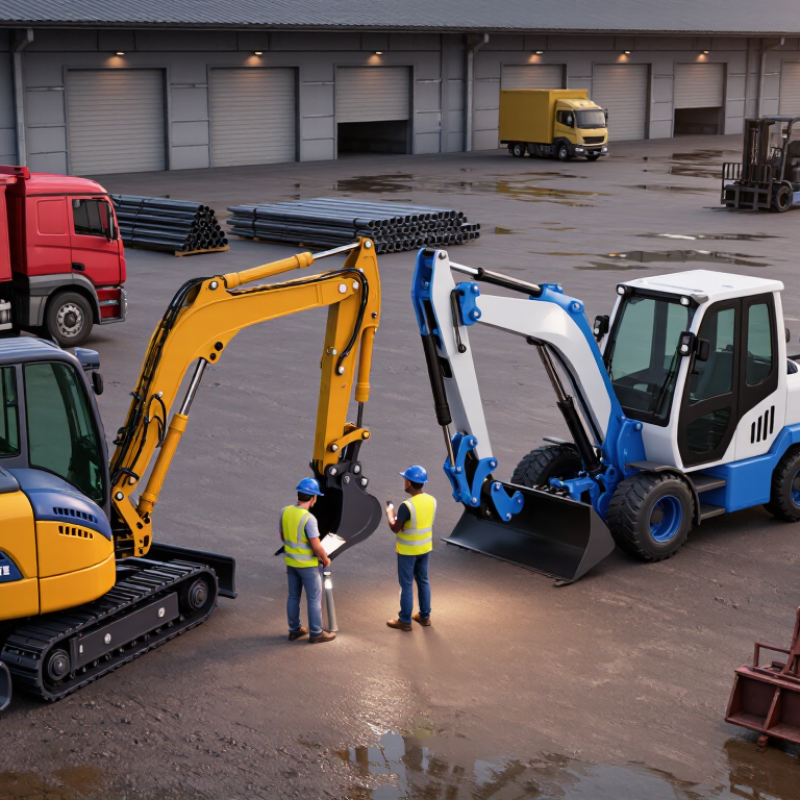
Before comparing machines, define the work with measurements. Estimate annual operating hours from job records, not an optimistic guess. Separate productive time from idling, travel, and seasonal downtime. Even a rough weekly log can reveal whether a machine will run 400 hours or 1,400. That difference affects expected wear, maintenance planning, and the cost per working hour.
Write down the heaviest routine payload, including attachments and material weight. An average load can hide demanding daily tasks. Measure the required reach at the actual working height, not just the maximum distance listed in a specification sheet. Then record site conditions: gate width, overhead clearance, slope, soil firmness, and space to turn. Small details matter. A soft patch after rain may change which machine can work safely. Compare these notes with equipment specifications, and confirm operating limits with qualified suppliers or technicians. A tidy worksheet still misses things; operators may spot awkward access or visibility problems that measurements alone do not show. Invite them to review the job description before making a decision.
Define the Job: Estimate Annual Equipment Hours
These illustrative planning scenarios show how annual use can vary from seasonal to intensive operation; they are not industry benchmarks. Before selecting equipment, document expected hours alongside payload, required reach, and site conditions such as terrain and access.
Match Machine Capacity: Verify Rated Loads and ISO 14397 Performance Data
Rated capacity is not a guess based on machine size. Compare the job’s heaviest expected load with the machine’s rated operating capacity, using the exact configuration you plan to operate. A full bucket of damp soil can weigh far more than a loose, dry load. Small differences matter.
Where ISO 14397 applies to the machine, review the relevant performance data and test conditions. Check rated operating capacity, tipping load, and the stated attachment or bucket setup. Do not treat tipping load as a usable working load; it describes a stability threshold under defined conditions. The operator’s manual and load chart should guide the actual limits.
Reach changes the picture. A load lifted high or carried forward can reduce stability, even when its weight appears within the rating. Check the specified load position, tire or track configuration, and ground conditions against your site. Ask the supplier for test documentation if figures are unclear. I have seen capacity comparisons become misleading when one machine’s rating included a different attachment. It is an easy detail to miss. Recheck it.
10 Tips for Buying Construction Machinery and Equipment - Match Machine Capacity: Verify Rated Loads and ISO 14397 Performance Data
| Loader Size |
Example Bucket Capacity (m³) |
Example Rated Operating Capacity (kg) |
Example Static Tipping Load (kg) |
Example Breakout Force (kN) |
Example Lift Capacity at Maximum Height (kN) |
Procurement Verification |
| Compact wheel loader |
0.8 |
1,000 |
2,000 |
45 |
25 |
Request the specific configuration’s rated-capacity calculation and tipping-load test information under ISO 14397-1. |
| Small wheel loader |
1.2 |
1,500 |
3,000 |
65 |
38 |
Confirm whether the published rating applies to the selected bucket, tires, counterweights, and attachment. |
| Medium wheel loader |
2.5 |
3,000 |
6,000 |
110 |
75 |
Compare breakout-force and maximum-height lift-capacity test data using ISO 14397-2. |
| Large wheel loader |
4.0 |
5,000 |
10,000 |
180 |
125 |
Check that the rated load suits the material density, lift height, travel conditions, and duty cycle on site. |
| Important: Figures are illustrative screening examples, not specifications for a particular machine. Actual capacity and performance vary with machine design, configuration, attachment, and test conditions. Obtain the supplier’s current data for the exact machine. ISO 14397-1 addresses rated operating capacity and verification of calculated tipping load; ISO 14397-2 covers test methods for breakout force and lift capacity to maximum height. |
Compare 5-Year Ownership Costs: Fuel, Maintenance, Depreciation, and Resale
Compare five-year ownership cost, not just the purchase price. Track fuel, scheduled service, repairs, depreciation, and resale separately. The U.S. Energy Information Administration reported an average U.S. on-highway diesel price of $3.76 per gallon in 2024. At an illustrative burn rate of five gallons per hour and 1,000 operating hours yearly, fuel would cost about $18,800 a year, or $94,000 over five years at that unchanged price. Actual consumption and fuel costs vary. Use the EIA’s regional price data and the machine’s logged fuel use for a more useful estimate.
Maintenance needs a realistic reserve. Ask service providers for written schedules and parts estimates, then compare them with the U.S. Bureau of Labor Statistics’ producer-price data when testing repair-cost inflation. That matters. For depreciation, estimate the purchase-to-resale difference using recent sales of comparable machines, adjusted for hours, condition, and attachments. Get more than one comparable sale. A tidy spreadsheet can still be wrong if it assumes perfect uptime or an optimistic resale price. Include tires, transport, and likely downtime; small omissions add up. Recheck the figures after a field inspection, because worn hoses or uneven tire wear can change the forecast.
Check Safety and Emissions: Confirm ROPS/FOPS Ratings and EPA Tier 4 Final Status
Check the machine’s safety structure before discussing price. ROPS protects the operator during a rollover; FOPS helps guard against falling objects. Do not assume a roof or metal frame is certified. Match the structure’s identification plate to the machine’s model and serial number, and look for cracks, bent supports, or unapproved repairs. Small details matter.
Tips: Ask for the ROPS/FOPS documentation and inspect the cab in daylight. Confirm the EPA Tier 4 Final label and emissions records match the engine. If paperwork is missing, pause and verify the machine’s configuration with a qualified service professional.
A Tier 4 Final decal alone cannot confirm that emissions equipment is present or working. Check for the diesel particulate filter and other required components, then review service records for repairs or warning lights. Start the engine cold if possible; note smoke, unusual noise, or fault messages. A clean exterior proves little. I would treat unclear records as a reason to investigate, not as proof of a problem. Requirements can vary by location and use, so confirm local rules before purchase.
Inspect Before Buying: Review Operating Hours, Service Records, Warranty, and Financing
A low hour meter can look reassuring, but it does not tell the whole story. Compare the reading with wear on the pedals, seat, bucket pins, and hydraulic hoses. Check whether the hour meter appears intact and matches dated service records. Small mismatches deserve questions. Have the machine run long enough to reach operating temperature, and watch for leaks, unusual smoke, or sluggish controls.
Ask for maintenance invoices, not just a verbal history. Look for regular oil and filter changes, documented repairs, and any recurring faults. I may be overly cautious, but missing records make me budget for unknown work rather than assume the machine was well maintained. Read the warranty carefully. Confirm what components are covered, how long coverage lasts, who handles repairs, and whether exclusions apply to wear parts or existing faults.
Financing needs the same close inspection as the machine. Compare the total amount paid, interest rate, fees, deposit, payment schedule, and any final balloon payment. Check whether payments still fit your budget during slow work periods. A lower monthly figure can hide a longer term and higher overall cost. Leave room for transport, insurance, and immediate maintenance; buyers sometimes forget the first service bill.