How to Choose Heavy Machinery Moving Equipment in 2026?

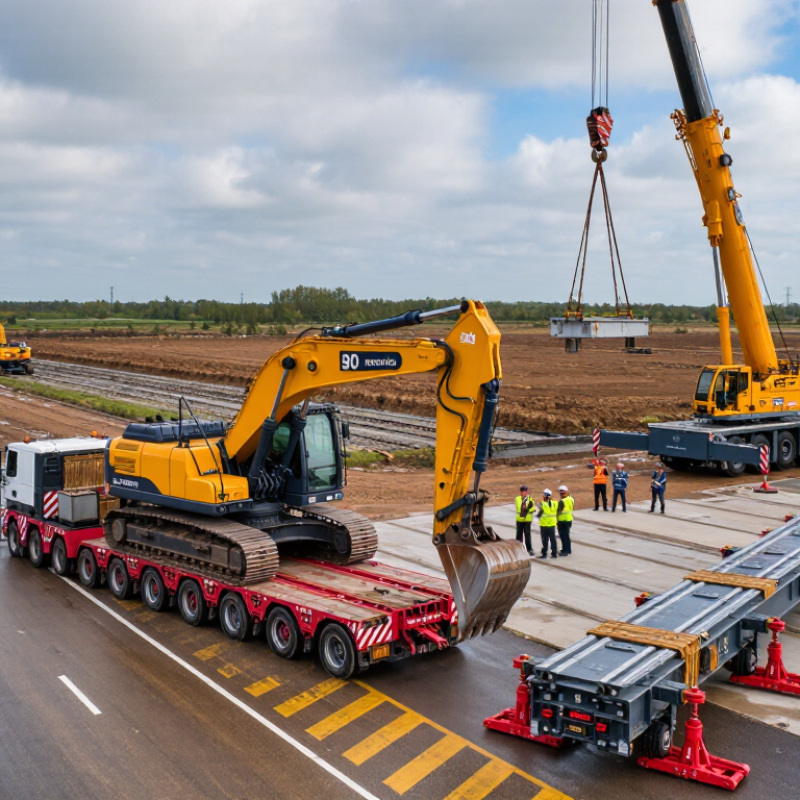
Choosing heavy machinery moving equipment in 2026 requires more than comparing prices and lifting capacities. A machine’s weight, dimensions, center of gravity, and travel route must guide every decision. A 90-ton excavator may fit the trailer, yet its uneven load can challenge ramps, axles, and turning space. Small details matter.

This guide examines modern transporters, hydraulic skidding systems, self-propelled modular transporters, cranes, and specialized rigging tools. It explains how experienced project teams match equipment to ground conditions, site access, loading points, and delivery schedules. Newer systems may offer remote monitoring, electronic load control, and improved maneuverability. However, technology does not replace trained operators or careful site inspections.

Field experience often reveals problems that equipment brochures omit. Soft soil, overhead lines, narrow gates, and poor weather can change a safe plan quickly. A route that appears suitable on a drawing may fail beside a drainage ditch. It happens. Reliable planning includes verified load charts, documented inspections, qualified personnel, and clear communication between contractors. Regional safety requirements and manufacturer instructions must also be reviewed before work begins.

The following sections provide a practical framework for evaluating capacity, stability, mobility, maintenance, cost, and supplier support. They also consider sustainability, data-based monitoring, and emergency planning. No selection method is perfect. Conditions change, and even experienced teams can overlook an ordinary obstruction. Careful reassessment remains essential throughout the move.

How to Choose Heavy Machinery Moving Equipment in 2026?

Define the Load, Dimensions, and Moving Conditions

How to Choose Heavy Machinery Moving Equipment in 2026?

Define the load before selecting equipment. Record the machine’s actual weight, dimensions, center of gravity, and lifting points. A 12-ton machine is not simply a 12-ton load. Uneven weight can overload one wheel or roller. Check the floor’s rated capacity, not just its visible condition. Concrete may look solid while hiding weak joints. The 2023 U.S. Bureau of Labor Statistics report recorded 1,046 fatal injuries among transportation and material-moving workers. Planning cannot remove every risk, but it reduces avoidable surprises.

Measure the route in detail. Note door clearances, turning radius, slopes, thresholds, overhead obstructions, and surface changes. Then match the equipment to those conditions. Hydraulic jacks suit controlled lifting. Machinery skates work on smooth, level floors. Gantry systems help when overhead access is limited. Self-propelled platforms may handle longer travel routes, but they still require verified ground pressure and braking space. The International Labour Organization reported nearly 3 million work-related deaths and 395 million non-fatal injuries globally in 2023. Those figures are broad, yet they show why rushed movement decisions deserve scrutiny.

Recheck the plan onsite. Conditions change. A wet floor, shifted load, or missing plate can invalidate yesterday’s calculation. I have seen “standard” moves become difficult at the first threshold. That assumption needs challenging. Use current load charts, inspect accessories, and involve a qualified lifting professional before movement begins.

How to Choose Heavy Machinery Moving Equipment in 2026? - Define the Load, Dimensions, and Moving Conditions
Moving Scenario Typical Load Mass Typical Equipment Dimensions Center of Gravity and Load Shape Floor and Route Conditions Recommended Moving Equipment Planning Capacity Key Selection Checks
Small equipment inside a workshop Up to 5 metric tonnes Approximately 1.0–2.5 m long; 0.8–1.8 m wide; 1.0–2.2 m high Usually compact, but the center of gravity may be high on vertical machines or cabinets Smooth concrete floor; short, straight route; limited height restrictions Toe jacks, low-profile machinery skates, pry bars, and manual or electric winches Use equipment with a combined rated capacity at least 25% above the verified load Confirm jack clearance, wheel or roller contact pressure, turning radius, and overhead obstructions
Medium machine relocation 5–20 metric tonnes Approximately 2.0–5.0 m long; 1.5–3.0 m wide; 1.5–3.5 m high May have an offset center of gravity because of motors, transformers, tanks, or tooling Indoor concrete route with expansion joints, ramps, or minor changes in floor level Hydraulic toe jacks, machinery skates, synchronized hydraulic skidding systems, and controlled winching Check both total capacity and the capacity of each jack, skate, or skid point Calculate point loads, bridge floor joints where necessary, and control speed on ramps
Large industrial machine in a plant 20–80 metric tonnes Approximately 4.0–10.0 m long; 2.5–5.0 m wide; 2.5–5.0 m high Often asymmetrical; the center of gravity should be established from drawings or a controlled lift plan Long indoor route; restricted aisle width; floor joints, trenches, ramps, or uneven surfaces may be present Hydraulic gantry, heavy-duty skidding system, powered transporters, or a combination of jacking and skidding equipment Use an engineered load-distribution plan; do not rely only on the machine's total weight Verify floor slab capacity, route width, turning clearances, lifting points, and emergency stop procedures
Very heavy transformer, press, or generator 80–300 metric tonnes Approximately 5.0–15.0 m long; 3.0–6.0 m wide; 3.0–6.0 m high High or offset center of gravity is common; load tipping and lateral movement must be assessed Heavy-duty concrete or engineered transport route; limited access and high ground-bearing requirements Self-propelled modular transporter, hydraulic gantry, strand jack system, or engineered skid shoes Capacity must be checked for total load, axle or wheel-group loading, support reactions, and dynamic effects Use a stamped or approved lift-and-move plan where required; survey the route and confirm utility clearances
Outdoor movement on a prepared hardstand 10–100 metric tonnes Varies by machine; route width commonly needs to exceed the load width by a controlled clearance Wind, uneven loading, and attachment points can change the effective stability of the load Compacted gravel, asphalt, or concrete; weather and drainage can affect traction and ground strength Self-propelled transporter, modular trailer, heavy-duty skates on steel plates, or mobile crane support Check ground-bearing pressure and traction in addition to rated lifting or transport capacity Inspect weather conditions, slopes, drainage, overhead lines, surface settlement, and access for recovery equipment
Outdoor movement over compacted soil Up to approximately 50 metric tonnes, subject to ground verification Load dimensions and transporter footprint must be matched to the available route width Low-clearance loads may be stable, but soft ground can cause sudden tilt or settlement Variable soil strength; wet conditions can substantially reduce bearing capacity Tracked transporter, low-ground-pressure transporter, crane-assisted placement, or engineered steel roadways Equipment selection depends on verified allowable ground pressure, not only machine weight Conduct ground investigation; use mats or steel plates where necessary and stop work if rutting develops
Movement through a narrow doorway or aisle Typically up to 30 metric tonnes, depending on available clearance Measure the narrowest opening, aisle width, ceiling height, and turning envelope Load overhang and off-center weight can reduce clearance and stability during turns Smooth indoor floor with restricted maneuvering space Low-profile skates, hydraulic jacks, multidirectional skates, compact transporter, or temporary disassembly Use the lowest practical equipment height and maintain a documented clearance margin Measure actual dimensions, including rigging and protective packaging; check door strength and fire-control systems
Loading or unloading from a trailer 5–150 metric tonnes, depending on trailer configuration Confirm load length, width, height, axle position, and tie-down locations Center of gravity must be aligned with the trailer's permitted loading zone Level loading area with adequate pavement strength and sufficient space for alignment Hydraulic gantry, mobile crane, self-propelled transporter, loading ramp, or hydraulic trailer Verify trailer payload, axle loads, ramp capacity, crane radius, and transporter capacity Control trailer deflection, secure the load against movement, and establish exclusion zones
Vertical lifting followed by horizontal positioning Any load requiring a controlled lift; commonly above 10 metric tonnes Consider lift height, headroom, rigging length, landing height, and final installation envelope Determine the true center of gravity and identify approved lifting lugs or structural lift points Restricted headroom, confined access, or sensitive finished floors may be present Hydraulic gantry, overhead crane, mobile crane, strand jack, jacking system, or skidding equipment Rated capacity must cover the load, rigging, lifting accessories, and any uneven load share Check lift-point ratings, sling angles, headroom, structural support, wind limits, and communication methods
Sensitive or precision equipment 1–50 metric tonnes Dimensions may be compact, but vibration and tilt limits can be more important than size Protect delicate internal components; keep the load level within the manufacturer's transport limit Clean, level floor with controlled vibration and protection from shock, moisture, and contamination Air casters, low-vibration skates, powered transporter, shock-monitoring devices, and precision jacking systems Capacity must include an adequate margin while maintaining low contact pressure and controlled movement Review tilt limits, acceleration limits, shock indicators, environmental conditions, and final alignment requirements
Long or flexible load 10–100 metric tonnes Usually longer than 10 m; width and height may be moderate but turning clearance is significant Deflection, torsion, and multiple support reactions must be considered along the load length Route may include turns, slopes, joints, or changes in elevation Modular transporter, multi-point hydraulic trailer, synchronized skidding system, or engineered support frame Check distributed support reactions and allowable bending stress at every support point Model the turning path, control synchronized movement, and protect the load from twisting or unsupported spans
Inclined route or ramp movement Up to approximately 50 metric tonnes, subject to traction and restraint calculations Load height and length affect stability and the required stopping distance High center of gravity increases the risk of sliding, tipping, or uncontrolled rollback Ramp gradient, surface friction, drainage, and edge protection are critical Powered transporter with independent braking, winch-assisted skidding, hydraulic jacking, or mechanical restraint Calculate pulling force, braking force, friction, and a secondary restraint method Do not rely solely on friction; confirm gradient, surface condition, anchorage strength, and escape routes
Restricted-access or low-headroom installation 5–80 metric tonnes Low-profile equipment may be required; measure every obstruction along the route Load height, rigging height, and temporary supports must fit within the available envelope Confined room, low ceiling, narrow access, or limited ventilation Low-profile hydraulic jacks, skid shoes, compact gantry, strand jacks, or air casters Capacity, minimum operating height, stroke, and lateral stability must all be confirmed Prepare a three-dimensional route survey and verify ventilation, lighting, emergency access, and communication
Planning baseline for any heavy move Use the verified gross mass, not an estimate Record length, width, height, lifting points, support points, and transport envelope Locate the center of gravity and identify any liquid, battery, or removable component that changes it Verify floor or ground bearing capacity, gradients, obstacles, weather, and route condition Select equipment by rated capacity, geometry, maneuverability, control, and surface compatibility Apply the applicable local regulations, manufacturer instructions, and engineered safety factors Final equipment selection should be confirmed by a qualified lifting or transport engineer, especially for heavy, high, irregular, or high-consequence loads.

Match Equipment Types to Weight, Shape, and Ground Requirements

How to Choose Heavy Machinery Moving Equipment in 2026?

Equipment selection should begin with the load, not the machine available. Record gross weight, dimensions, center of gravity, lifting points, and the route’s narrowest clearance. A hydraulic gantry suits concentrated heavy loads with limited overhead access. Machinery skates work better for compact loads on smooth, level slabs. Long or irregular equipment may need synchronized jacks and steerable transporters. Shape changes everything.

Check the ground before moving. Measure slab capacity, ramp angles, joints, drains, and doorway thresholds. Calculate wheel or outrigger point loads, then use steel plates or engineered mats when pressure is excessive. Never assume a thick-looking floor is strong enough. OSHA estimates that powered industrial trucks cause about 85 workplace fatalities and 35,000 serious injuries annually. The U.S. Bureau of Labor Statistics recorded 1,069 fatal injuries in transportation and material-moving occupations in 2023. These figures reinforce the need for documented lift plans, trained operators, exclusion zones, and inspected equipment. Weight ratings alone are not enough. A 40-ton transporter can still fail on a weak slab or sharp transition. In practice, route surveys are sometimes rushed, and that is a mistake worth admitting. Recheck the load path after removing doors, panels, or temporary supports. Select equipment that matches the actual weight, shape, turning space, and ground condition, not the easiest option on paper.

Compare Capacity, Stability, Mobility, and Control Features

How to Choose Heavy Machinery Moving Equipment in 2026?

Capacity must match the machine, not just its listed weight. Add tools, attachments, fuel, and a safety margin before selecting equipment. I have seen a rated transporter struggle when the load shifted during a tight turn. That mistake began with incomplete measurements. Check the machine’s center of gravity, wheel loads, and the floor’s allowable pressure. Uneven loading can damage concrete and reduce steering control.

Stability depends on frame width, axle design, ground contact, and load height. A low platform usually improves balance, especially near ramps or uneven thresholds. Watch the turning radius. A compact unit may move easily indoors, yet its narrow stance can feel unstable under a tall load. It looks efficient. It may not be. Test the route with a weighted plan, and identify weak floors, drains, slopes, and overhead limits.

Mobility is only useful when control remains precise. Choose steering and drive controls that allow smooth starts, slow reversing, and small corrections. Wired or wireless controls should provide clear status signals and emergency stopping. Operators need direct visibility, reliable communication, and enough practice before the actual move. Wet floors, limited lighting, and radio interference can change performance quickly. Do not ignore manual checks. A short trial movement often reveals vibration, delayed braking, or uneven hydraulic response before the machine carries its full load.

Evaluate Safety Standards, Technology, and Operator Requirements

Choosing heavy machinery moving equipment in 2026 requires more than checking rated capacity. Safety standards should guide every decision. Verify the equipment’s load charts, emergency stops, braking systems, and inspection records. Confirm that its design matches local workplace requirements and the planned route.

In practical yard assessments, I look for clear visibility, stable steering, and controlled lifting under uneven conditions. Newer systems may provide load monitoring, tilt warnings, obstacle detection, and telematics. These tools can reduce mistakes, but they do not replace judgment.

A sensor may miss a damaged floor or poorly secured attachment. Operators need documented training, equipment-specific authorization, and regular competency checks. Experience matters here.

Tips: Walk the route before moving anything. Measure doorways, turning space, floor strength, and overhead clearance. Test alarms and controls with no load first. Keep a written pre-use inspection log. Do not choose the fastest machine automatically; a slower unit may offer better control. I have seen teams overtrust digital warnings, then overlook a simple loose connection. That is an uncomfortable lesson. Recheck the setup whenever the load, weather, or work area changes.

Plan Costs, Maintenance, Transport Routes, and Equipment Selection

Choosing heavy machinery moving equipment in 2026 starts with a cost plan, not a catalog. I price purchase, rental, operators, fuel, permits, escorts, rigging, insurance, and downtime. The American Rental Association’s 2024 forecast placed U.S. equipment rental revenue near 78.7 billion dollars. That figure supports renting for irregular projects, but ownership may suit repeated movements. My first estimate is often wrong when maintenance hours are ignored. Keep a 10–15% contingency for repairs and route changes. Small gaps become expensive.

Maintenance should match the machine’s weight, center of gravity, and movement frequency. I request inspection records, load-test certificates, tire condition, hydraulic leaks, and brake performance. The Associated General Contractors’ 2024 workforce survey reported that 94% of construction firms struggled to fill open positions. Skilled operators are not a minor detail. Select controls that reduce training errors, and schedule preventive checks before loading day. Sometimes, the cheaper machine needs more supervision.

Transport routes require measured facts. Record axle limits, bridge clearances, turning radii, gradients, road surfaces, and delivery windows. The Federal Highway Administration’s National Network guidance shows that designated routes can support large commercial vehicles, but local restrictions still matter. A digital map is not enough. Walk the tight corners. Measure twice. Choose modular trailers, self-propelled transporters, skidding systems, or cranes according to access and ground pressure. One uncomfortable question remains: are we selecting the strongest equipment, or merely the equipment already available?